Skip to content
Choosing the best automatic label applicator in China requires more than comparing catalog prices. The right machine must match the product, label material, container shape, and production speed. A round PET bottle behaves differently from a dusty carton or a tapered glass jar. Small details matter. In practical evaluations, we examine label alignment, feeding stability, changeover time, and reject handling. These checks reveal performance that brochures often hide.
China has many capable manufacturers, but quality and support can vary between models. A reliable comparison should include sample testing with the buyer’s actual containers and labels. We also review conveyor design, sensor accuracy, PLC controls, guarding, cleaning access, and spare-parts availability. Operators should receive clear manuals and realistic training. Support matters. A factory acceptance test can confirm speed, application accuracy, and continuous operation before shipment. Independent inspection records add confidence, especially for high-volume packaging lines.
The best automatic label applicator is not always the fastest or cheapest option. It is the machine that delivers consistent results without creating difficult maintenance problems. Energy use, adhesive behavior, humidity, and future product changes deserve attention too. Our assessment may still have limits. A successful trial today cannot guarantee identical results after years of use. That is why this guide compares verified specifications with operating evidence, supplier responsiveness, and long-term service capability. Readers can then select a Chinese solution with clearer expectations, fewer costly surprises, and a stronger basis for investment.
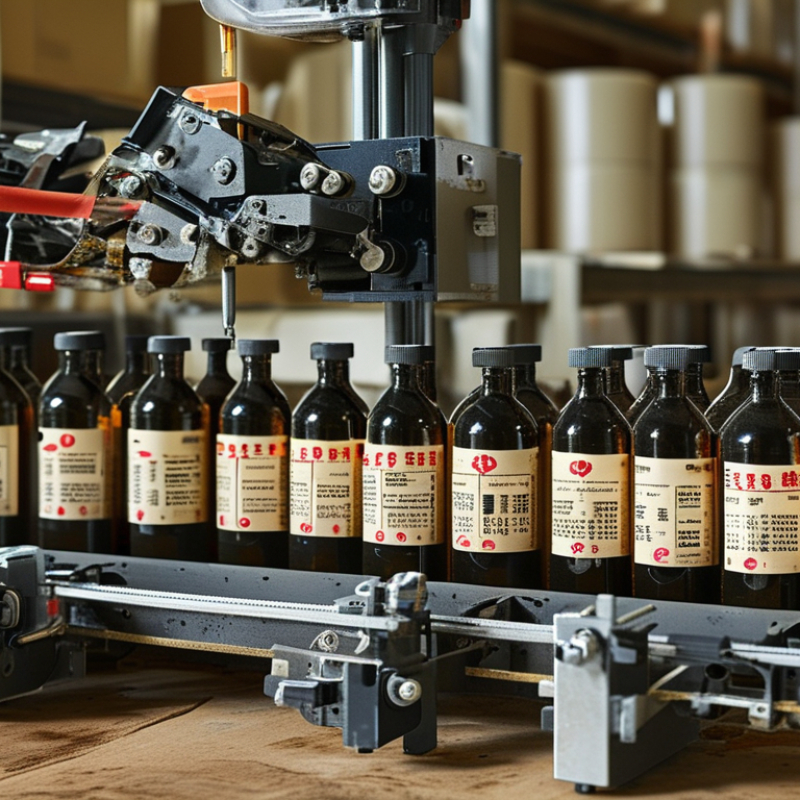
China’s automatic labeling market covers several machine types, each suited to a different package shape. Pressure-sensitive applicators use pre-coated labels and work well on bottles, cartons, and jars. They offer clean application and quick changeovers. Front-and-back systems label two panels in one pass. Wrap-around machines suit cylindrical containers, especially in beverage and chemical packaging.
Top-and-bottom applicators place labels on cartons, trays, or flat pouches. Print-and-apply systems print variable data before applying each label. They are useful for warehouse, logistics, and traceability operations. Shrink-sleeve machines apply film around irregular containers, then use controlled heat. Their visual finish is strong, but energy use and film handling need closer attention. Glue-based systems remain practical for high-volume glass containers, although cleaning can interrupt production.
MarketsandMarkets estimates the global labelling and coding equipment market will grow from about USD 7.7 billion in 2023 to USD 10.2 billion by 2028. This growth reflects stronger automation demand. China’s manufacturers are also responding to labor shortages and shorter production runs. In practice, the “best” applicator depends on container geometry, label material, speed, and inspection requirements. A fast machine may still waste labels if alignment changes frequently. I have seen specifications look impressive on paper, yet poor product spacing created repeated stoppages. Trial runs with actual containers remain essential. The PMMI packaging automation research also highlights integration and workforce skills as practical buying factors, not minor details.
Choosing the best automatic label applicator in China starts with practical performance, not appearance. In production trials, operators should examine label placement, speed, and machine stability. A reliable system keeps labels straight on bottles, cartons, or irregular containers. Small details matter. The sensor should detect clear and transparent labels without frequent false readings. The conveyor should maintain steady movement, even during long shifts.
A strong applicator offers simple adjustments and quick changeovers. Operators may need to switch from a narrow bottle to a wider package within minutes. Tool-free controls can reduce downtime and training pressure. A clear touchscreen also helps workers identify faults quickly. The machine should record production data, reject errors, and support consistent tension control. Poor tension can create wrinkles, gaps, or peeling edges. These problems waste labels and damage customer confidence.
Construction quality deserves close attention. Stainless steel frames, protected wiring, and accessible components support cleaner production areas. Calibration should remain stable after repeated use, though no machine is perfect. I would question any supplier promising zero maintenance. Ask for test videos, sample labels, service response times, and spare-part availability. A factory acceptance test using your actual containers can reveal problems that brochures hide. The best applicator is not always the fastest model. It is the one that delivers accurate placement, manageable operation, and dependable results across real working conditions.
Choosing the best automatic label applicator in China starts with comparing manufacturers, not reading attractive catalog claims. A capable supplier should explain application speed, label tolerance, container shape, and adhesive conditions clearly. During a machine trial, inspect the conveyor, sensor response, labeling head, and control panel. Ask the manufacturer to run your actual bottles or cartons. A smooth demonstration with sample containers proves very little.
Technical experience matters. Compare positioning accuracy across several speeds, not only the highest advertised speed. Check whether the machine handles label gaps, transparent labels, curved surfaces, and minor container variations. Ask for measured results, including acceptable error ranges and rejected units. The control system should allow practical adjustments without specialist software. Spare-part availability also matters. A low purchase price can become expensive when one sensor stops production.
Reliable manufacturers provide drawings, installation guidance, maintenance schedules, and operator training. They should describe testing procedures before shipment and explain how remote support works across time zones. Request references from similar industries, but verify the details independently. Be cautious when a supplier promises every feature without discussing limitations. That is a warning sign.
A factory audit can reveal useful details: organized wiring, clean assembly areas, labeled components, and documented inspections. Yet even a professional workshop may have weaknesses. One supplier might offer excellent engineering but slow communication. Another may respond quickly but lack flexible customization. Comparing these trade-offs honestly produces a more dependable decision than choosing the lowest quotation.
The best automatic label applicator depends on the product, container, and production rhythm. A machine for round bottles usually uses a wrap-around labeling station, adjustable guides, and a rotary or belt-driven mechanism. This setup suits beverages, cosmetics, household products, and many food containers. Flat cartons need a different structure, often with top, side, or corner labeling modules. Stable conveyors and photoelectric sensors help maintain accurate label placement.
In real production, speed is not the only measurement. Operators should examine container size changes, label material, adhesive performance, and cleaning conditions. For dusty food lines, stainless steel parts and simple access points reduce maintenance difficulties. Pharmaceutical packaging may require stronger inspection functions, data recording, and controlled handling. Print-and-apply systems can support cartons or shipping cases, but they need reliable communication with weighing and scanning equipment. A configuration may look excellent on paper, yet fail during frequent product changeovers. That mistake is common.
Tips: Test the applicator with real containers and labels before purchase. Check label gaps, surface curves, conveyor pressure, and restart behavior. Ask for documented accuracy results, maintenance guidance, and operator training. A practical trial often reveals more than a high-speed specification. Also, leave room for future formats. Production plans change, sometimes unexpectedly.
What Is the Best Automatic Label Applicator in China?
The best automatic label applicator depends on your product, container shape, and production speed. Performance should be tested with real samples, not only factory videos. Check labeling accuracy, conveyor stability, sensor response, and changeover time. Speed is not everything. A machine running at 100 units per minute is useless if labels wrinkle or shift. Ask for a live trial using your containers and labels. Record the results.
Cost requires more than comparing purchase prices. Include installation, operator training, spare parts, electricity, maintenance, and possible downtime. A lower quote may hide expensive replacements later. Review the applicator’s construction, control system, and access to common components. Ask for a clear warranty with written response times. Small details matter.
Support often decides uptime. Confirm whether engineers can provide remote troubleshooting and practical operating guidance. Check spare-part availability in China and expected delivery times. Request manuals, wiring diagrams, and maintenance schedules before payment. I have seen buyers focus too heavily on initial cost and underestimate training. That mistake is easy to repeat. A reliable supplier should accept performance testing, explain limitations, and offer a realistic production plan. Do not trust perfect promises. Test, measure, and leave room for improvement.
| Applicator Type | Typical Applications | Typical Line Speed | Typical Labeling Accuracy | Typical New-Equipment Price in China | Changeover Time | Integration Requirements | Performance Rating | Best Buying Consideration |
|---|---|---|---|---|---|---|---|---|
| Top-Apply Applicator | Cartons, trays, pouches, boxes, and products with a relatively flat upper surface | Up to approximately 80–150 products/min, depending on product spacing and label size | Typically within ±1.0–1.5 mm under stable conveyor conditions | Approximately RMB 25,000–100,000 | About 10–20 minutes for common product and label changes | Requires a stable conveyor, product-spacing control, and suitable label stock | ★★★★☆ | Good balance of cost, simplicity, and throughput for standardized products |
| Front-and-Back Applicator | Rectangular bottles, containers, jars, and packages requiring two-sided labeling | Approximately 40–120 products/min, depending on container geometry | Typically within ±1.0–2.0 mm when products are consistently oriented | Approximately RMB 40,000–150,000 | About 15–30 minutes, depending on guide-rail and sensor adjustments | Needs accurate product orientation, adjustable guides, and synchronized side belts | ★★★★☆ | Suitable when consistent two-panel placement is more important than minimum price |
| Wrap-Around Applicator | Round bottles, cans, vials, tubes, and cylindrical containers | Approximately 50–200 products/min, depending on diameter and label length | Typically within ±1.0–2.0 mm; seam alignment depends on container control | Approximately RMB 30,000–120,000 | About 15–30 minutes for diameter, guide, and sensor adjustments | Requires controlled product rotation and a suitable wrap belt or rotary mechanism | ★★★★☆ | Often the most practical choice for cylindrical products and continuous production |
| Front-and-Back Plus Wrap System | Mixed packaging lines requiring multiple labels or flexible container handling | Approximately 30–100 products/min, depending on the number of labeling stations | Typically within ±1.5–2.5 mm across multiple application points | Approximately RMB 80,000–220,000 | About 20–40 minutes, with more adjustments during format changes | Needs coordinated sensors, multiple applicators, and a programmable control system | ★★★★☆ | Best when production requires several label positions but line flexibility is still important |
| Print-and-Apply System | Shipping cartons, pallets, logistics labels, variable-data labels, and traceability applications | Approximately 20–100 labels/min, depending on print content and verification requirements | Typically within ±1.5–3.0 mm; print quality depends on media and printer settings | Approximately RMB 80,000–300,000 | About 20–45 minutes, including software and label-format setup | Requires data communication, label-design software, barcode verification, and network integration | ★★★★★ | Preferable when real-time data, serialization, or variable information is required |
| High-Speed Rotary or Servo Applicator | High-volume beverage, personal-care, pharmaceutical, and food production lines | Approximately 120–300+ products/min, depending on machine configuration | Typically within ±0.5–1.0 mm under optimized operating conditions | Approximately RMB 150,000–500,000+ | About 30–60 minutes, depending on tooling and product format | Needs synchronized conveyors, servo control, precision tooling, and skilled operators | ★★★★★ | Best for high utilization rates where throughput and repeatability justify higher capital cost |


30 Beach Street, Mt Vernon, NY 10550
914-239-3878 sale@bbqmachine.com
© 2025 by TurboFil Packaging Machines, LLC