Skip to content
Choosing the best Packing Covers from China requires more than comparing prices on a product page. A reliable choice depends on material strength, stitching quality, supplier experience, and clear communication. China offers packing covers in woven PP, PE, canvas, polyester, and laminated fabrics. Each option suits different cargo conditions. A woven PP cover may protect furniture from dust and light moisture. A coated canvas cover can provide stronger abrasion resistance during storage or transport.
The details matter. Check fabric weight, tear strength, seam construction, closure design, and usable dimensions. A cover that looks thick may still fail at the corners. Ask suppliers for product samples, factory photographs, test reports, and packaging details. If possible, inspect stitching around handles, zippers, elastic edges, and reinforced panels. These areas often show workmanship clearly. Do not trust photographs alone.
Supplier reliability deserves equal attention. Experienced manufacturers should explain production limits, customization options, lead times, and quality-control procedures. They should also answer practical questions without vague promises. Certifications can support confidence, but they should match the actual product and manufacturing site. An independent inspection may be worthwhile for large orders.
There is no single best cover for every buyer. Not really. A hotel moving blankets supplier may need soft, reusable covers, while an industrial distributor may require waterproof and abrasion-resistant designs. Consider climate, cargo shape, handling frequency, and storage duration before deciding. Some buyers focus too heavily on low unit cost, then discover higher replacement expenses later. That mistake is easy to make. A careful comparison of performance, customization, and supplier credibility usually leads to a more dependable purchase.
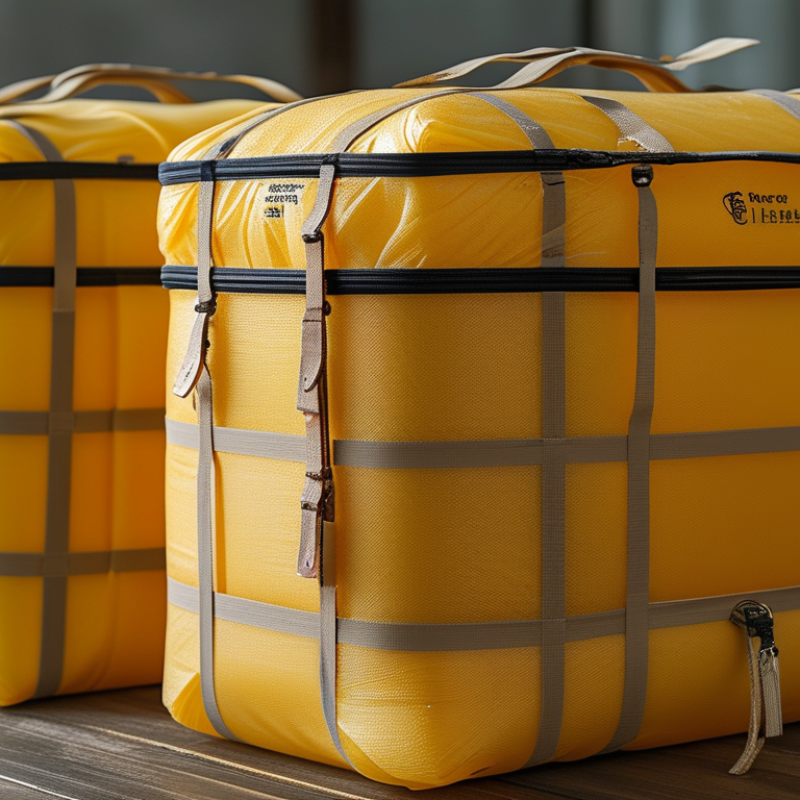
What Are the Best Packing Covers from China?
China manufactures several practical types of packing covers for warehouses, transport, and outdoor storage. Woven polypropylene covers are lightweight, tear-resistant, and suitable for sacks, pallets, and machinery. PE tarpaulin covers offer stronger water resistance, especially when seams are heat-sealed. Stretch hood covers fit tightly around palletized goods and reduce dust exposure during shipment.
Paper-laminated covers suit dry products that need a cleaner appearance. Some factories also produce breathable covers with micro-perforations for goods sensitive to condensation. Material thickness, UV resistance, stitching, and edge reinforcement vary widely. They are not interchangeable.
Tips: Ask for a physical sample before placing a large order. Check fabric weight with a scale, inspect seam tension, and test water resistance for several hours. Confirm cover dimensions after folding, not only when fully opened. Request production photos and a clear inspection report. Small details matter.
Reliable sourcing requires more than comparing unit prices. Experienced Chinese manufacturers usually provide material specifications, color options, packaging methods, and tolerance ranges. Ask whether recycled content affects strength or appearance. It often does. A cheaper cover may crack in cold weather or leak through weak corners. I would also review independent quality records when available, because factory claims can be incomplete. A small pilot order can reveal sizing errors, unpleasant odors, or inconsistent coating before regular production begins.

When evaluating packing covers from China, material choice should match the cargo, route, and storage period. PE film covers are light, flexible, and suitable for short-term dust protection. Woven PP covers offer higher tear resistance for machinery, furniture, and palletized goods. For outdoor storage, PVC-coated polyester provides stronger abrasion resistance and better weather protection. Nonwoven fabric can reduce scratching while allowing limited airflow around finished surfaces.
Water resistance is useful, but it should not be the only specification. Heat-sealed seams, reinforced corners, and rust-resistant grommets help prevent tearing during lifting and tying. A drawstring or elastic edge can reduce wind gaps around irregular loads. For sensitive cargo, check whether the cover includes UV resistance, anti-static treatment, or breathable panels. Not every waterproof cover breathes well. Condensation may still form inside.
In practical supplier evaluations, I would request material thickness, tear-strength data, seam test results, and sample measurements. A clear inspection should include folding, pulling, and exposure to moisture. Ask for production photos and a written quality-control process. Small differences matter, especially at the corners. A cheaper cover may pass a visual check but fail after repeated handling. I would also test the actual packing shape before placing a large order. A standard size rarely fits every load perfectly. gegangenheit
Chinese packing covers usually begin with resin selection, not stitching or printing. Factories choose polyethylene, polypropylene, or coated woven fabric according to load, moisture, and storage conditions. Film may be blown into a controlled tube, while woven material is extruded, stretched, and laminated. Operators then cut, heat-seal, fold, or sew the covers. Small changes in temperature can alter thickness. This is where experience matters.
Testing follows both factory procedures and recognized standards. Technicians measure thickness at several points, tensile strength, tear resistance, puncture performance, and seal strength. ASTM D882 supports tensile testing for plastic films, while ISO 2859-1 helps define sampling plans for batch inspection. Water-vapor transmission testing can reveal protection weaknesses. A cover may look strong but split at the seam. Looks deceive.
Industry data explains the pressure behind these controls. Smithers’ flexible packaging outlook projects the global market at roughly US$300 billion by 2028. The OECD Global Plastics Outlook reports that packaging created about 40% of plastic waste in 2019. Therefore, responsible Chinese manufacturers increasingly review downgauging, recycled content, and production waste. However, recycled material can reduce consistency if poorly controlled. That point deserves honest checking. Buyers should request test records, material specifications, and retained samples before approving large orders. Perfect results on paper are not enough.
A reliable packing cover supplier should provide clear material specifications, not vague claims like “premium quality.” Ask about fabric weight, coating type, stitching strength, and resistance to moisture or abrasion. Request recent test reports and production photos. A useful sample should show neat seams, even edges, and a closure that works repeatedly without catching.
I once reviewed samples that looked excellent in photographs but felt thin in hand. The printed measurements were also slightly inaccurate. That experience changed my evaluation process. I now compare at least three samples under the same conditions. I fold each cover, pull the handles, inspect the corners, and check whether the surface coating flakes after repeated bending. Small flaws often reveal weak quality control.
Supplier reliability requires more than a low quotation. Check whether the company answers technical questions directly and explains its inspection process. Ask for a pre-shipment inspection record, carton details, and production timelines. A factory should also confirm acceptable tolerances in writing. Communication can still fail, even with careful preparation. No checklist is perfect. For higher confidence, use an independent inspection before shipment and keep approved samples for future comparison.
Choosing the right packing cover starts with the shipment, not the supplier. China offers woven polypropylene, PE film, kraft-laminated, and weather-resistant covers. Each material solves a different problem.
For sea freight, select a cover with strong tear resistance and stable seams. UNCTAD reports that over 80% of global merchandise trade by volume moves by sea. Containers may face salt air, rain, stacking pressure, and repeated handling. A breathable cover can reduce condensation around moisture-sensitive cargo. For short inland delivery, a lighter PE cover may be enough. For machinery, furniture, or irregular loads, reinforced edges and practical tie points matter more than a low unit price.
I once preferred the thickest cover, assuming it offered the safest protection. That choice added cost and made handling awkward. It was not always better. Check fabric weight, waterproof performance, seam strength, UV resistance, and size tolerance. Request test samples and inspect corners, eyelets, and stitching. Test the packed load under realistic movement. ISTA testing principles can help evaluate vibration, compression, and impact risks before purchase.
Tips: Match the cover to route, cargo, climate, and storage time. Ask for inspection records, material specifications, and batch consistency. Avoid oversized covers; loose fabric can catch wind and tear. Confirm folding and labeling requirements with the warehouse team. A small trial shipment may reveal weaknesses that a catalog never shows.


30 Beach Street, Mt Vernon, NY 10550
914-239-3878 sale@bbqmachine.com
© 2025 by TurboFil Packaging Machines, LLC