How to Choose an Empty Eyeshadow Palette Supplier
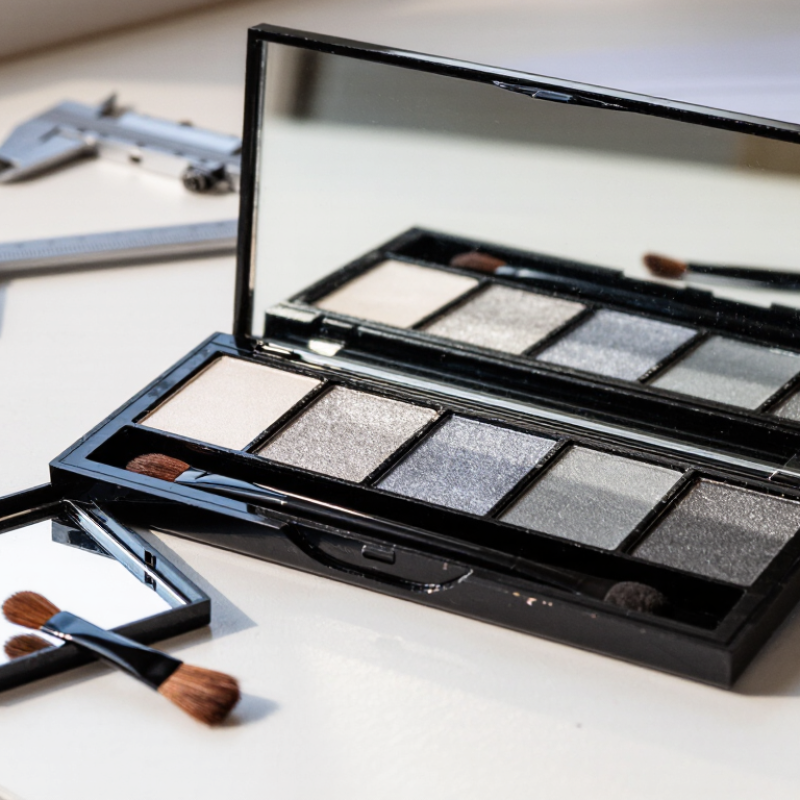
Choosing an Empty Eyeshadow Palette supplier is not just about comparing unit prices. A palette may look polished in a photo, yet its hinge can loosen, its pans may shift, or its lid may scuff during shipping. Small details matter. Check material consistency, closure strength, interior dimensions, decoration quality, and whether samples match production batches. Ask for clear specifications and a physical sample. Test it with the pans and brushes you plan to use. Inspect the surface under bright light; it can reveal marks that product photos hide. A low quote means little if quality varies.
For this guide, fictional cosmetic-packaging specialist Lena Morris offers this practical reminder: “A reliable palette protects the product and feels steady in the hand.” Treat that line as an editorially created quote, not a sourced interview. A dependable supplier should answer questions clearly, explain available customization, and provide realistic production timelines. Ask how the team checks hinges, finishes, and pan fit before shipment. Requesting a sample matters. So does checking how it feels in daily use. A glossy finish may look impressive, but fingerprints can show quickly. That is easy to overlook. This outline explores supplier research, sample evaluation, quality control, communication, and pricing, helping buyers compare options with care rather than choosing on appearance alone.
Define Your Empty Eyeshadow Palette Requirements
How to Choose an Empty Eyeshadow Palette Supplier
Define Your Empty Eyeshadow Palette Requirements
Before contacting suppliers, write down how the palette will be used. Is it for a travel set, a professional kit, or a compact retail product? Each use affects its size, layout, and closure. Specify the number and diameter of pans, plus the space needed between them. A few millimeters can change whether a pan sits securely.
Decide which features are essential and which are optional. List preferred materials, finish, mirror size, and insert style. If the palette needs to hold removable pans, ask how the insert keeps them in place during handling. Check the hinge and latch on a physical sample; a lid that feels loose on a desk may open in a packed bag. Small details matter. Still, some specifications may need adjusting after you see a sample.
Set practical expectations for customization, order quantity, packaging, and delivery timing. Ask suppliers to confirm dimensions and tolerances in writing, and compare those details against your own product brief. Request samples that match the intended layout, not just a similar-looking empty case. Note any differences in weight, color, or fit. It can be tempting to request every feature at once, but that may add cost without improving daily use. Keep the brief clear, while leaving room to revise details that do not work in hand.
How to Choose an Empty Eyeshadow Palette Supplier
Define Your Empty Eyeshadow Palette Requirements
Define your must-haves before comparing suppliers. This example uses buyer-set priority scores from 1 (lower priority) to 5 (essential); it is a planning aid, not market-average data or supplier-performance ratings.
Identify Suitable Supplier Types and Manufacturing Options
An empty eyeshadow palette supplier may be a trading company, a packaging specialist, or a factory that makes cases directly. Trading companies can coordinate several components, such as mirrors and closures, but production details may pass through extra hands. A specialist often understands hinges, pan layouts, and surface finishes. A direct factory may offer closer control over molding and assembly. Ask who actually makes each part.
Then match manufacturing options to your design. Stock cases usually need less setup and suit smaller test orders. Custom cases can adjust shape, color, mirror size, and pan arrangement, but may require tooling and larger quantities. Some suppliers can add magnets or metal pans; others only assemble standard components. Get a sample before approving bulk production. Check that the lid closes evenly, the hinge feels steady, and pans sit flush without rocking.
Specifications matter. Request material details, sample lead times, minimum order quantities, and written tolerances for dimensions and color. Ask how defects are recorded and corrected. A glossy sample can hide uneven edges under soft lighting. Inspect it in daylight, and open and close it repeatedly. Even then, choosing is not perfectly neat: a lower unit price may bring higher setup costs or less flexible revisions. Compare the full quote, not just the case price.
Evaluate Palette Quality, Materials, and Compliance
A reliable empty eyeshadow palette supplier should provide samples before you approve a production run. Check whether the base feels rigid and whether the lid closes evenly. A loose hinge can strain after repeated opening. Test the palette with clean hands and a soft cloth, then inspect it for scratches, sharp edges, and uneven seams. Small flaws matter when customers handle the product every day.
Ask what materials are used for the shell, tray, mirror, and any magnets or coatings. ABS plastic is common, while aluminum may offer a different feel and weight. Request material specifications and relevant test reports, rather than relying on broad claims such as “safe” or “eco-friendly.” The exact documents needed can vary by market and product design. Details matter.
Compliance deserves the same attention as appearance. Ask the supplier to identify applicable requirements for your intended sales regions and to share current supporting documents. Check that report names, dates, and material descriptions match the palette being quoted. A certificate for a similar item may not cover a changed coating or component. I would not assume that a polished sample proves consistent factory quality. It is an easy assumption to make. Compare samples from more than one production batch when possible, and clarify how defects are recorded and resolved. A clear answer is useful; a vague promise is not.
Compare Supplier Capabilities, Pricing, and Lead Times
When comparing empty eyeshadow palette suppliers, request the same specification from each: pan count, material, finish, insert type, order quantity, and shipping destination. A low unit price can hide tooling fees, sample charges, or extra costs for custom colors. Ask for a written quotation that separates these items. Then compare the total landed cost, not just the price per palette.
Lead times need equal scrutiny. Ask suppliers to separate sample approval, tooling, production, and shipping dates, and to state what could delay each stage. McKinsey Global Institute’s 2020 analysis found that, across industries, a month-long disruption can be expected about every 3.7 years. That is a useful reminder to ask about backup capacity and component sourcing, even for a simple compact. Request recent delivery records or references, if available. Check whether quoted lead times apply to your exact order size. They may not. A polished sample is reassuring, but it cannot prove that bulk production will match its color, hinge feel, or pan fit. Build in time for inspection and one round of corrections; I would not treat a supplier’s first estimate as a promise.
Verify Samples and Select a Reliable Supplier
Request a physical sample before discussing large production runs. Check whether the lid closes evenly and stays shut when the palette is carried in a bag. Open and close the hinge repeatedly; stiffness, wobble, or cracking can reveal weak construction. Inspect the pan wells for consistent depth and clean edges, then test whether the surface scratches under normal handling. Small checks matter. Ask for samples in the exact material, finish, and configuration you plan to order. A display sample may use different components.
A sample can look convincing and still fail to represent a full production batch. One limitation is that hand-finished samples may differ from factory output, so ask how the supplier controls repeatability. Request written specifications, inspection steps, production timelines, and a clear process for handling defects. Notice how carefully the supplier answers technical questions and records requested changes. Vague replies are worth taking seriously. Compare the approved sample with a later pre-production unit, checking color, fit, closure, and finish under the same lighting. No single test proves reliability, but consistent details and transparent communication offer stronger evidence than a polished sales promise.
 Skip to content