How to Choose the Best Plastic Pouch Bags?
Choosing the right Plastic Pouch Bags starts with the product, not the packaging trend. A pouch for roasted coffee needs different protection from one holding dry craft supplies. Consider moisture, oxygen, light, puncture risks, and how the product will be stored or shipped. A clear pouch may display contents well, while an opaque or foil-lined option can offer more protection from light. The right choice depends on the product’s real needs. Small details matter.
Next, check materials, thickness, dimensions, and closure style. Measure the product when packed, leaving enough room for a reliable seal without excessive empty space. A zipper can suit products opened repeatedly, while a heat-sealed top may be better for a single-use pack. Fit comes first. Ask suppliers for material specifications and samples, then inspect seals, corners, and print quality under normal handling. If the pouch will be filled by machine, confirm its dimensions and opening style with the equipment requirements before ordering.
Cost deserves attention, but the cheapest option may not protect the product or perform consistently. Compare quotes alongside minimum order quantities, lead times, quality checks, and available testing information. Requirements can vary by product and intended use, so verify relevant claims with qualified suppliers rather than relying on a label alone. And remember, a sample is only a sample. Real-world filling and storage may reveal issues that a quick visual check misses. A careful comparison helps buyers choose Plastic Pouch Bags that balance protection, usability, appearance, and budget.
What Plastic Pouch Bags Are and How They Are Used
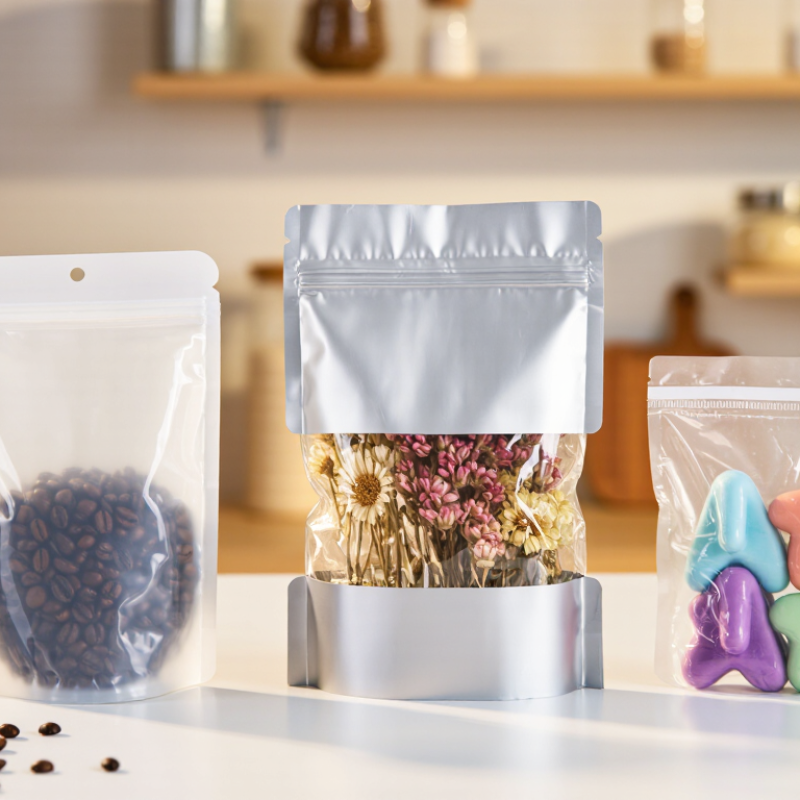
Plastic pouch bags are flexible packages made from thin plastic films, often sealed along the edges to hold products securely. Some use a single film; others combine layers for strength, moisture resistance, or protection from oxygen and light. Common formats include flat pouches, stand-up pouches with a bottom gusset, and resealable bags with a zipper track. Small details change handling.
Pouches package snacks, dried foods, coffee, pet treats, powders, toiletries, and household items. A clear window can show color and texture, while opaque film limits light exposure. A zipper helps consumers close a pouch between uses, but it does not replace a strong heat seal. For powders, a well-fitted seal and tear notch can reduce spills during opening. In practice, the right format depends on product weight, shelf life, filling equipment, and storage conditions. A pouch designed for dry goods may perform poorly with oily or sharp contents. Not always obvious.
The material and structure should match the product, not just the shelf display. A heavy pouch needs stronger film and reliable seams; a lightweight sample pack has different demands. Ask suppliers for product-specific barrier and seal information, then test filled pouches under normal handling. A simple drop or leak check can reveal weaknesses before larger production runs. There is no perfect pouch. Some barrier layers can make recycling harder, depending on local collection systems. That trade-off deserves attention.
How to Match Pouch Types to Product Requirements
How to Choose the Best Plastic Pouch Bags?
How to Match Pouch Types to Product Requirements
Start with what can spoil or damage the product. Coffee may need protection from oxygen and light, while powdered foods often need moisture control and a reliable seal. A stand-up pouch can suit shelf display; a flat pouch may use less material for lightweight portions. Liquids and sauces usually need strong seals, and a spout can make pouring easier. Small details matter. Check the pouch against your filling equipment, storage conditions, and expected shelf life—not appearance alone.
Material choices also affect disposal. The OECD’s Global Plastics Outlook (2022) estimates that only 9% of plastic waste was recycled globally in 2019. That figure is a reminder to check local collection systems before making recyclability claims. A pouch made from several bonded layers may provide useful barriers, yet be harder to sort and recycle. A common selection mistake is choosing the highest barrier by default; it may add cost or material without improving the product’s real shelf life. Test samples with actual contents and handling conditions.
Tips: Ask suppliers for barrier and seal data, then run a small production trial. Check for leaks, punctures, and seal failures after transport. Test before scaling. I would also revisit the choice if product needs or local disposal options change.
How to Compare Materials, Barriers, and Durability
A plastic pouch should match the product and its storage conditions, not just look sturdy on a shelf. Dry foods may need moisture protection, while oils and aromatic products can require stronger resistance to oxygen or odor transfer. Ask suppliers for barrier data, such as oxygen and water-vapor transmission rates, and check the test conditions behind those figures.
Compare the full material structure, not one layer in isolation. Polyethylene often provides flexible, reliable seals; polyester can add stiffness and help a pouch keep its shape. Foil offers strong protection from light, oxygen, and moisture, but sharp corners or rough handling may cause damage. Metallized films can be lighter, though their barrier performance varies. No single structure suits every product.
Feel the difference. Flex a sample and inspect its edges, corners, and seal. Then test filled pouches under realistic conditions: stacking, transport, temperature changes, and exposure to humidity. A seal that looks neat can still leak, so use a suitable seal-strength or leak test. I still find this easy to overlook: packaging performance depends on the filling line, too. Compare samples made with your actual sealing settings, and record any wrinkles, weak spots, or inconsistent seals before choosing a pouch.
Which Design Features Affect Storage and Usability
A pouch’s dimensions affect more than how much it holds. Measure the product and allow room above it for sealing; an overfilled pouch may not close evenly. For powders or small pieces, a flat bottom can make packing and shelf storage easier. A side gusset may suit bulkier contents, but it needs enough space to expand without straining the seams. Small details matter.
Closures shape everyday use. A press-to-close zipper helps with repeated access, while a heat-sealed top can provide a secure first opening. Some pouches use both. Check that the zipper sits far enough below the seal to leave a clean opening. A tear notch can help, though it is less useful if the pouch is hard to grip. I still tend to focus on the closure and overlook the base when comparing samples.
Material choice affects protection and handling. A clear panel makes contents visible, but it may not suit products that need more protection from light. Barrier layers can help limit exposure to moisture or oxygen; the right level depends on the product and storage conditions. It is tempting to choose the thickest pouch. That can be wasteful. Test a filled sample: check whether it stands, seals, opens, and fits the intended shelf or storage bin.
How to Choose the Best Plastic Pouch Bags?
Which design features affect storage and usability?
Zipper closures and spouts can make repeated access easier, while gussets help pouches stand and use shelf space efficiently. Tear notches support quick opening, and clear windows let users see the contents. Ratings are a qualitative guide (1 = lower, 5 = higher), not laboratory measurements; actual performance depends on pouch dimensions, materials, and contents.
 Skip to content