

How to Choose the Best Silicone Sealant Glue?

Choosing the best Silicone Sealant Glue requires more than comparing tube sizes or advertised strength. The correct product must match the substrate, joint movement, moisture level, temperature, and curing environment. A bathroom joint, aluminum window frame, and outdoor concrete seam face different stresses.

Market evidence shows why selection matters. Grand View Research estimates the global silicone sealants market reached approximately USD 5 billion in 2023. Fortune Business Insights reports a different value because its scope and methodology differ. It projects continued growth through 2032, driven by construction, automotive, electronics, and renewable-energy applications. These figures suggest strong demand, but they do not identify the best product for every project.

Dr. George Wypych, a recognized adhesion researcher, states, “Adhesion is a surface phenomenon.” That principle is easy to overlook. A dusty tile, oily metal edge, or damp concrete surface can weaken an excellent sealant. Field experience often proves this painfully. The strongest-looking bead may fail first. Yet product choice is only part of the answer. Users should check whether the formula is neutral-cure or acetoxy-cure, whether it accepts paint, and whether it meets relevant ASTM or ISO requirements. Cure time also matters. A 6-millimeter bead may feel dry outside while remaining soft inside. This guide examines those practical details, compares performance factors, and explains how to choose Silicone Sealant Glue with greater confidence. Some recommendations remain application-dependent, and that uncertainty deserves honest attention.
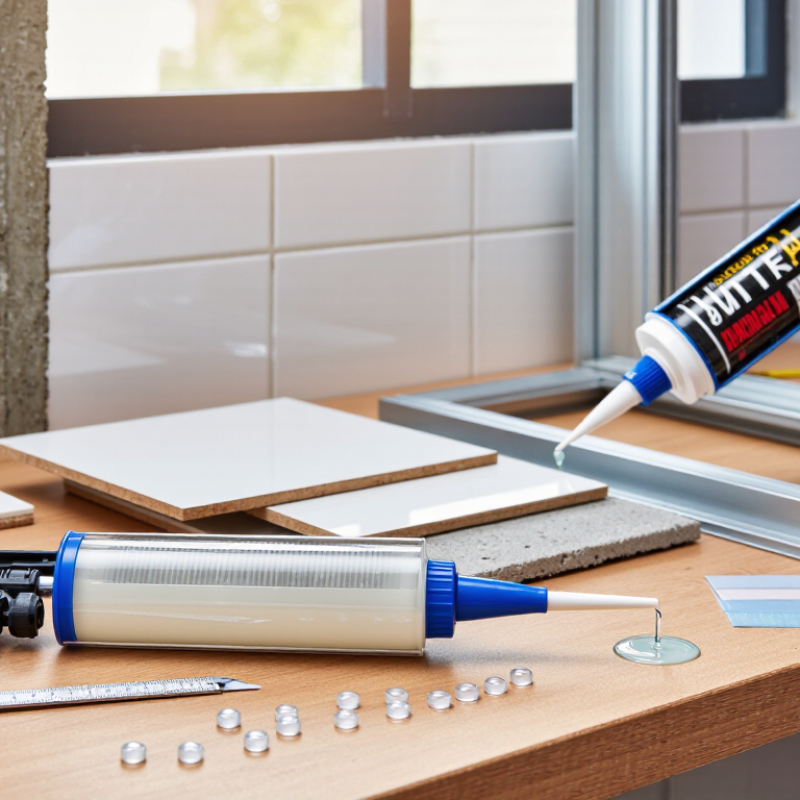
How to Choose the Best Silicone Sealant Glue?

What Is Silicone Sealant Glue and How Does It Work?

How to Choose the Best Silicone Sealant Glue?

Silicone sealant glue is a flexible polymer that seals gaps between materials. It cures when moisture in the air reacts with its chemical structure. The uncured paste feels smooth and workable. After curing, it forms a rubber-like barrier against water, air, and movement.

Acetoxy formulas release a vinegar-like odor. Neutral-cure formulas usually produce less odor and suit more sensitive surfaces.

According to Grand View Research, the global silicone sealants market was valued at approximately USD 3.8 billion in 2023.

This growth reflects demand from construction, glazing, transport, and household repairs.

Performance depends on the joint, not only the tube label. ASTM C920 evaluates sealants by movement capability, adhesion, and durability. A sealant rated for 25% movement can tolerate repeated joint expansion and contraction.

However, that rating does not guarantee adhesion to every surface. Clean, dry glass may bond well. Dusty concrete may fail quietly beneath the surface. I learned this after a neat-looking bead separated from painted metal. The preparation seemed acceptable, but the coating was weak.

Tips:

  • Test a small hidden area first.
  • Remove oil, dust, and loose material.
  • Leave enough depth for movement.
  • Do not seal trapped moisture.
  • Check the technical data sheet for curing time, temperature limits, and compatible substrates.
  • A thin bead may look tidy, but it can lack the required flexibility.
  • A thicker bead is not automatically stronger.
  • Sometimes, the wrong product simply looks right for a few days.
Which Silicone Sealant Type Fits Your Project?

Choosing the right silicone sealant type matters more than choosing the strongest-looking tube. Grand View Research estimated the global silicone sealants market at about USD 4.1 billion in 2023. Its growth reflects wider use in construction, glazing, bathrooms, and industrial assembly. Yet market growth does not make every formulation suitable for every surface.

Acetoxy-cure silicone works well on glass and glazed ceramic. It cures quickly and usually smells strongly of vinegar. Avoid it on many metals, natural stone, and sensitive substrates.

Neutral-cure silicone creates less odor and offers better compatibility with concrete, aluminum, painted surfaces, and stone. For bathrooms, choose a sanitary formulation with mildew resistance. For ovens, pipes, or engine areas, select a high-temperature grade. Structural glazing requires a tested structural sealant, not ordinary household glue.

Check the technical sheet, not only the front label. ASTM C920 classifies sealants by movement capability, adhesion, and durability, while ISO 11600 evaluates sealant families for building joints. A one-part product is simpler for small repairs. Two-part silicone cures more consistently in deeper or controlled applications, but it needs accurate mixing.

Apply a small test bead first. I have seen “universal” sealants fail on oily plastic and damp concrete. That warning deserves more attention.

No product fits every project. Surface preparation, joint movement, curing conditions, and application depth can matter just as much as the silicone type.

How to Compare Adhesion, Flexibility, and Curing Performance

Choosing silicone sealant glue requires more than checking the word “strong.” Compare adhesion, flexibility, and curing performance under realistic conditions. ASTM C920 classifies sealants by movement capability; Class 50 products can accommodate approximately ±50% joint movement. ISO 11600 also evaluates adhesion, recovery, and durability. For wet surfaces, test a small bead first. Dust, oil, and moisture can weaken bonding, even when the sealant appears smooth.

Tips: Clean the joint with a suitable solvent. Let the surface dry fully. Use a primer only when technical guidance requires it. Check published technical data sheets for tensile strength, elongation, and curing speed. Many silicone systems show elongation above 300%, while typical curing rates range from 2 to 3 millimeters per 24 hours. These figures vary with humidity and temperature. A thick bead may skin quickly but remain soft inside.

Curing performance deserves patience. At around 23°C and 50% relative humidity, a 24-hour cure may support light handling, not full loading. ASTM and ISO tests provide useful comparisons, but jobsite conditions remain imperfect. I would inspect adhesion after seven days, not after one hour. A flexible sealant can still fail when the substrate moves sharply or the joint is too narrow. Do not choose the highest movement rating blindly. The best match balances surface adhesion, elastic recovery, and actual curing conditions.

How to Choose the Best Silicone Sealant Glue?

Comparing adhesion, flexibility, and curing performance across common silicone sealant types

Neutral-cure and high-modulus RTV silicones generally provide stronger adhesion, while low-modulus formulations offer greater flexibility. Acetoxy silicones typically cure faster on compatible, non-sensitive surfaces. The values shown are representative technical ranges for generic silicone chemistries and may vary with substrate, temperature, humidity, joint design, and formulation.

How to Choose the Right Formula for Different Materials

Choosing the right silicone sealant starts with the material, not the tube’s appearance. Different surfaces need different curing formulas, adhesion strength, and flexibility.

For glass and glazed ceramic, an acetoxy-cure silicone often provides strong adhesion and fast curing. It may release a noticeable vinegar-like odor during curing. Neutral-cure silicone suits metals, coated surfaces, and sensitive substrates better because it is less corrosive. Test first. Bare aluminum, zinc, and some painted surfaces can react poorly with unsuitable formulas.

Porous materials require more care. Wood, concrete, and natural stone may absorb moisture or show staining around the joint. A neutral, low-staining formula is usually safer, but surface testing remains essential. Clean dust, grease, and loose particles before application. I have seen a perfectly shaped bead fail because the surface was slightly damp. Read the label. Plastics are less predictable, especially polyethylene and polypropylene, which often resist adhesion. A primer or mechanical fastening may be necessary.

Check the joint’s movement before choosing a sealant. A bathroom corner needs flexibility and moisture resistance, while a window frame needs weather durability and stable adhesion. Apply a small sample and wait through the full curing period. This step feels slow, but it reveals problems early. My own mistake was judging adhesion after one hour. The bead looked firm, yet it peeled away the next day. Small details matter. Temperature, humidity, joint width, and curing time can change the result.

How to Choose the Best Silicone Sealant Glue? - How to Choose the Right Formula for Different Materials

Material or Surface Preferred Silicone Formula Typical Adhesion Performance Main Advantages Surface Preparation Important Limitations Common Applications
Glass Acetoxy-cure or neutral-cure silicone Generally strong on clean, non-porous glass Good flexibility, weather resistance, and transparency options Remove dust, oil, and old sealant; clean with a compatible solvent and allow the surface to dry Acetoxy formulas release acetic acid during cure and may be unsuitable near acid-sensitive metals Window joints, glazing, aquariums when specifically rated, and glass enclosures
Aluminum and Stainless Steel Neutral-cure silicone, preferably low-corrosivity Good to very good when the metal is clean and properly prepared Lower corrosion risk and good movement capability Degrease, remove oxidation or loose coatings, lightly abrade where appropriate, and remove residue Bare metal may require a primer for demanding structural or continuously wet conditions Metal flashing, frames, panels, enclosures, and exterior joints
Ceramic and Glazed Tile Acetoxy-cure or neutral-cure silicone Usually good on clean glazed surfaces Flexible seal, good water resistance, and easy tooling Clean away soap, grout dust, and grease; ensure the joint is fully dry Silicone is a sealant rather than a replacement for tile adhesive or grout; porous grout may need a primer Bathroom joints, kitchen backsplashes, sinks, and shower enclosures
Concrete and Masonry Neutral-cure silicone formulated for porous substrates Moderate to good; performance depends strongly on porosity and moisture Handles weather exposure and joint movement better than rigid cement-based fillers Remove laitance, dust, and loose particles; dry the joint and use a compatible primer if specified Some formulations have limited adhesion to damp or highly alkaline surfaces; not intended for structural bonding Expansion joints, facade details, penetrations, and perimeter sealing
Wood Neutral-cure silicone or specialty silicone for porous substrates Variable; usually better on sealed or painted wood than on dusty raw wood Remains flexible as wood expands and contracts Use sound, dry wood; remove loose fibers and dust; seal porous edges when required May not bond reliably to oily, resinous, wet, or heavily weathered wood Window and door perimeters, trim joints, cabinetry, and outdoor wood details
Painted or Powder-Coated Metal Neutral-cure silicone with coating compatibility Good if the coating is firmly bonded and free from contaminants Protects the joint from water while accommodating thermal movement Clean without damaging the finish; test adhesion on a hidden area before full application The sealant may adhere well to the coating while the coating itself remains poorly bonded to the metal Panels, gutters, flashing, HVAC enclosures, and exterior trim
PVC and Rigid Plastics Neutral-cure silicone tested for plastics Moderate to good, depending on plastic type and surface energy Flexible, water-resistant, and suitable for many non-structural joints Clean with a plastic-safe method; avoid aggressive solvents that can craze or soften the substrate Low-energy plastics such as polyethylene and polypropylene commonly require a specialty primer or different adhesive Pipe penetrations, plastic trim, housings, and sanitary fixtures
Polyethylene and Polypropylene Specialty silicone with manufacturer-approved primer, if available Often limited without surface treatment Useful for flexible sealing where mechanical retention also supports the joint Abrasion, flame treatment, plasma treatment, or primer may be needed; conduct a compatibility test Many standard silicones have poor adhesion; do not rely on silicone alone for load-bearing attachment Containers, liners, flexible components, and low-load seals
Natural Stone Non-staining neutral-cure silicone specifically rated for stone Good when the product is compatible with the stone type Reduces the risk of edge staining and provides flexible weather-resistant sealing Remove dust and polishing residue; keep the stone dry and test on an inconspicuous area Some sealants can cause staining or discoloration in porous stone; standard acetoxy formulas should be avoided unless approved Countertops, stone cladding, shower surrounds, and perimeter joints
Painted Surfaces Neutral-cure silicone labeled as paint-compatible, where applicable Depends mainly on the paint's adhesion and surface condition Provides a flexible seal without requiring removal of a sound coating Clean gently, remove chalking and loose paint, and verify compatibility with a small test area Cured silicone is generally difficult to paint; choose a paintable hybrid or acrylic sealant when later painting is required Trim, wall joints, frames, and maintenance repairs
Selection note: Always check the product's technical data sheet for substrate compatibility, primer requirements, cure conditions, movement capability, temperature limits, and intended use. Test adhesion and staining on a small, inconspicuous area before full-scale application.

What Application and Safety Factors Should You Check?

How to Choose the Best Silicone Sealant Glue?

What Application and Safety Factors Should You Check?

Choosing silicone sealant glue starts with the surface and the job conditions. A bathroom joint needs strong moisture resistance. A window frame may require flexibility during temperature changes. For glass, metal, ceramic, or plastic, check the product’s approved surface list. Some plastics bond poorly without preparation. I learned this after a neat-looking bead peeled away within weeks.

Clean the joint thoroughly. Remove dust, oil, and old sealant with suitable tools. The surface should be dry unless the instructions allow damp application. Check the expected movement, temperature range, and curing time. A narrow gap may cure differently from a deep joint. Use backing material when recommended. It controls depth and reduces unnecessary material use. Test a small hidden area first. This simple step is easy to skip.

Safety deserves equal attention. Read the safety data sheet before opening the tube. Wear gloves and protect your eyes from splashes. Keep fresh air moving, especially in small rooms. Some curing systems release a noticeable odor during application. Do not assume “low odor” means harmless. Allow full curing before exposing the joint to water, pressure, or food-contact conditions. Follow the stated waiting time, even when the surface feels dry. I sometimes rush this stage, and that remains a poor habit. Dispose of used materials according to local requirements, not household guesswork.