What is a HIFU Machine and How Does it Work?
The HIFU Machine, or High-Intensity Focused Ultrasound device, has gained attention in the beauty and medical fields. This innovative technology uses focused ultrasound waves to target specific layers of skin. It offers a non-invasive approach to skin tightening and lifting. Many professionals praise its effectiveness in rejuvenating the skin without surgery.
However, understanding how a HIFU Machine works is crucial for its successful application. The device penetrates deep tissues, stimulating collagen production and promoting skin elasticity. This process, while promising, requires expertise for safe and effective use. Users should seek qualified professionals to avoid potential pitfalls.
As the popularity of HIFU Machines surges, it’s essential to acknowledge that results can vary widely. Some may experience exceptional outcomes, while others might see minimal improvements. This unpredictability highlights the importance of individual consultation and assessment prior to treatment.
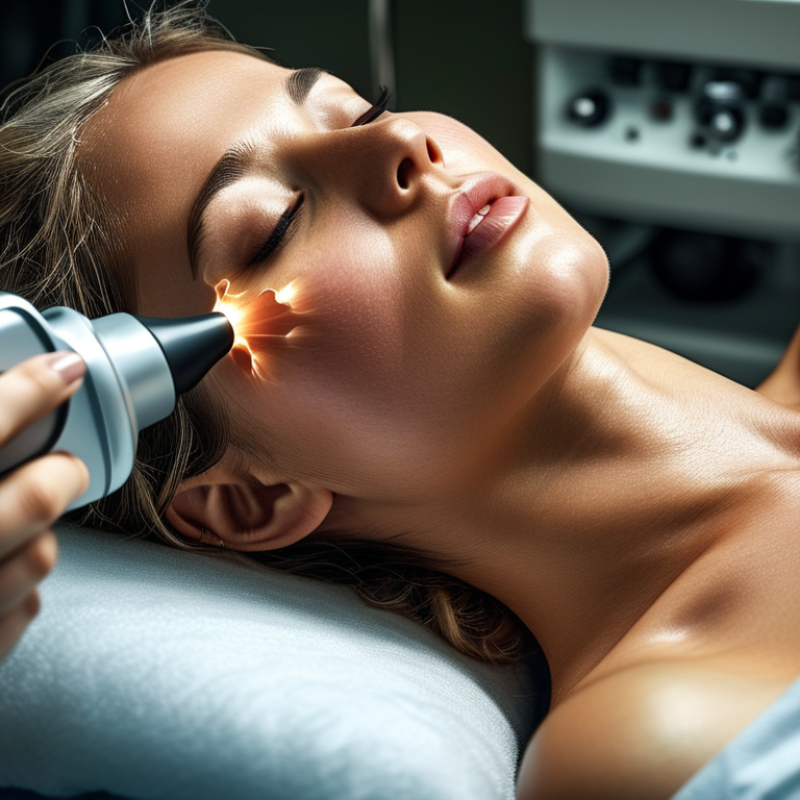
What is a HIFU Machine?
High-Intensity Focused Ultrasound (HIFU) machines are advanced devices used in the field of non-invasive aesthetic treatments. They emit focused ultrasound energy that penetrates deep into the skin layers, targeting specific tissues. This process stimulates collagen production, leading to improved skin elasticity and firmness. According to a report by the American Society for Aesthetic Plastic Surgery, HIFU treatments have gained popularity, with a notable increase in procedures in recent years.
HIFU technology operates by delivering ultrasound waves precisely at designated depths. It causes a thermal effect, which promotes tissue tightening without damaging the outer skin. Studies indicate that patients often experience significant lifting effects after just one session. Many users report a gradual improvement over three to six months following treatment. However, results can vary based on individual skin types and conditions.
Tips: Always consult with a qualified practitioner to understand the potential risks and benefits. Consider starting with a patch test to gauge your skin's reaction. It's essential to manage expectations; not everyone achieves the same level of results. Engaging in post-treatment skincare can optimize your HIFU experience.
The Science Behind High-Intensity Focused Ultrasound
High-Intensity Focused Ultrasound (HIFU) is a cutting-edge medical technology that utilizes ultrasound waves to target tissues. It delivers precise energy to specific areas, inducing thermal effects without damaging surrounding structures. This technique has gained traction in various medical fields, particularly in aesthetics and oncology.
Research indicates that HIFU can promote collagen production and skin tightening. A study published in the Journal of Cosmetic Dermatology found that 80% of participants reported noticeable lifting and tightening after HIFU treatment. The ultrasound energy penetrates deeply, activating the body’s natural healing responses. Interestingly, the non-invasive nature of HIFU reduces recovery time, making it a preferred option for many patients.
Despite its promising results, there are still challenges to address. The effectiveness of HIFU can vary among individuals, and results may not be immediate. Some patients might experience temporary side effects such as redness or swelling. Ongoing research aims to refine the techniques and expand the range of applications for HIFU. The focus remains on enhancing its precision and understanding the long-term outcomes of treatments.
How HIFU Machines Work: Mechanism of Action
High-Intensity Focused Ultrasound (HIFU) machines are revolutionizing non-invasive cosmetic procedures. They use focused ultrasound waves to penetrate deep into the skin. This technology heats up tissue layers, promoting collagen production. As a result, skin elasticity improves, and wrinkles diminish.
The mechanism of action behind HIFU is quite intriguing. Ultrasound energy targets specific skin areas without harming surrounding tissues. The heat generated stimulates a natural healing response. This process can take time, often becoming noticeable weeks after treatment. Patients sometimes feel slight discomfort, indicating that the energy is effectively working.
Those exploring HIFU should be aware of its limitations. Not everyone may achieve the desired results. Factors like skin type and age can influence outcomes. Some individuals may require multiple sessions for optimal effects. As with any procedure, it’s crucial to manage expectations and consult with a qualified professional to determine suitability.
Understanding HIFU Machine Effectiveness
This chart illustrates the effectiveness ratings of various outcomes associated with HIFU machines, reflecting their impact on skin tightening, wrinkle reduction, fat cell destruction, collagen production, and skin lifting.
Applications of HIFU in Medical and Aesthetic Treatments
High-Intensity Focused Ultrasound (HIFU) is revolutionizing medical and aesthetic treatments. This technology delivers focused ultrasound energy deep into the skin without damaging the surface. Applications include skin tightening, wrinkle reduction, and fat reduction. HIFU targets specific tissues, stimulating collagen production and promoting tighter skin.
According to the American Society for Aesthetic Plastic Surgery, HIFU procedures increased by over 30% between 2020 and 2023. This growth reflects a rising consumer demand for non-invasive solutions. HIFU offers an appealing alternative to surgical facelifts, with results lasting up to a year or more. Yet, some practitioners note that individual results may vary significantly.
In the medical field, HIFU is used in oncology for tumor ablation. Research indicates that 80% of tumors can be successfully targeted using this method. However, the technology is still evolving. Challenges in treatment depth and precision remain. Ongoing studies will refine these techniques, improving accuracy and outcomes.
Benefits and Risks Associated with HIFU Treatments
High-Intensity Focused Ultrasound (HIFU) is a treatment gaining popularity in the beauty and wellness industry. It offers non-invasive skin tightening and body contouring. Many patients seek HIFU to reduce wrinkles and lift sagging skin. However, it's important to weigh the benefits against potential risks.
The main advantage of HIFU treatments is their non-surgical nature. Patients can achieve noticeable results without the downtime associated with invasive procedures. The treatment stimulates collagen production, leading to firmer skin over time. Many individuals report satisfaction with their outcomes, appreciating the natural-looking improvements. Yet, it's crucial to note that not everyone may experience the same results.
Despite its benefits, HIFU is not without risks. Some clients report mild discomfort during the procedure. Swelling, redness, or bruising can occur afterward. These side effects are usually temporary but can be concerning for some. It's essential for clients to consult with professionals to ensure they have realistic expectations. Understanding these aspects can guide individuals in making informed decisions about HIFU treatments.
What is a HIFU Machine and How Does it Work? - Benefits and Risks Associated with HIFU Treatments
| Aspect | Description |
| What is HIFU? | HIFU stands for High-Intensity Focused Ultrasound, a non-invasive therapeutic technique. |
| How Does it Work? | HIFU delivers focused ultrasound energy to specific tissue depths, causing thermal coagulation and stimulating collagen production. |
| Benefits | Non-invasive, minimal downtime, stimulates collagen, reduces wrinkles, and improves skin tightness. |
| Common Applications | Facial rejuvenation, skin tightening, body contouring, and targeted treatment for tumors. |
| Risks | Possible side effects include redness, swelling, pain at the treatment site, and in rare cases, burns. |
| Who Performs HIFU? | Usually performed by trained medical professionals like dermatologists or cosmetic surgeons. |
 Skip to content