What is a Paste Filling Machine? Benefits, Uses, and Buying Guide
In the world of packaging and manufacturing, the paste filling machine has emerged as an essential tool for businesses looking to enhance their production efficiency and product consistency. This versatile piece of equipment is designed to accurately fill containers with various types of pastes, creams, and thick liquids, making it a crucial asset in industries ranging from food and beverages to cosmetics and pharmaceuticals. With advancements in technology, modern paste filling machines offer features that streamline operations, reduce waste, and ensure precise measurements, thus catering to the demands of high-volume production environments.

The benefits of employing a paste filling machine are significant, as they not only improve the speed of filling processes but also minimize human error and labor costs. With the ability to handle a wide range of viscosities and customizable options, businesses can tailor their filling solutions to meet the specific needs of their products. This article will delve into the various uses of paste filling machines, highlighting their importance across different sectors and providing insights into what factors to consider when selecting the right equipment for your company.
Whether you are a small business owner or a large-scale manufacturer, understanding the advantages and functionalities of a paste filling machine can lead to informed purchasing decisions and enhanced operational outcomes.
Understanding the Basics of Paste Filling Machines
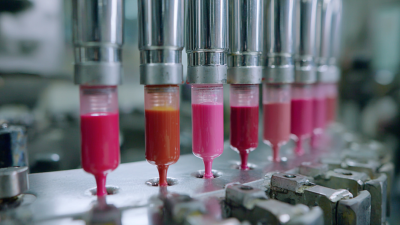
A paste filling machine is an essential device in various industries, designed to accurately dispense semi-solid products like creams, sauces, and pastes into containers. Understanding the basics of these machines is crucial for anyone looking to enhance their production process. They operate through various mechanisms, including pneumatic, electric, or mechanical systems, ensuring consistency and efficiency in filling. These machines cater to different container sizes and shapes, making them versatile for various applications.
Tips: When considering a paste filling machine, assess the viscosity of your product. For thicker pastes, opt for machines that feature adjustable fill rates and nozzle sizes to prevent clogging. Regular maintenance of the machine can also extend its lifespan and ensure optimal performance.
Additionally, investing in a machine with automated features can streamline your process, minimizing labor costs while increasing output. Look for units that allow for easy clean-up, as hygiene is paramount in industries like food processing and cosmetics. Understanding these basics helps you make informed decisions and choose the right paste filling machine for your needs.
Paste Filling Machine Usage by Industry
This chart illustrates the distribution of paste filling machine usage across various industries. The food industry leads with the highest percentage, highlighting the machine's significance in food processing and packaging.
Key Benefits of Using Paste Filling Machines in Various Industries
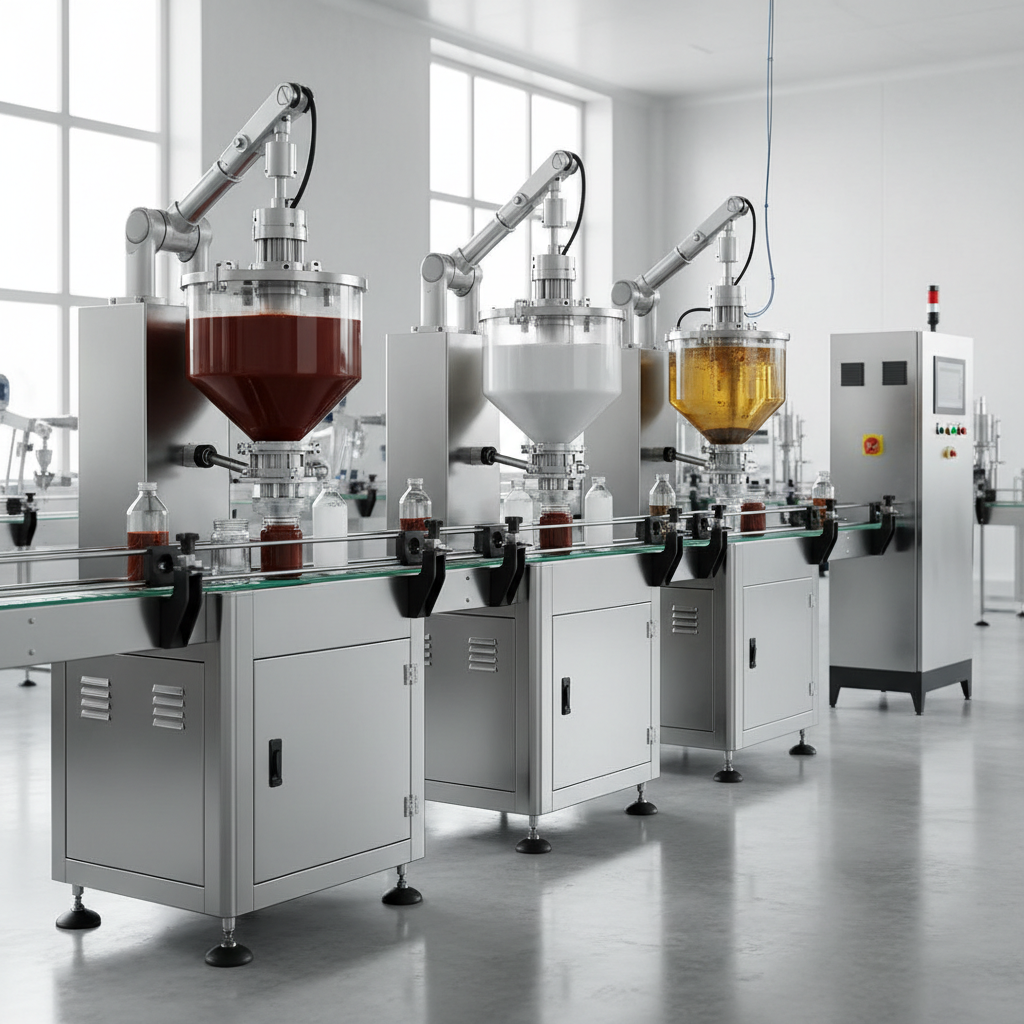
Paste filling machines have become an essential asset across various industries due to their efficiency and precision in filling products such as sausages, cosmetics, and pharmaceuticals. The key benefits of utilizing these machines include increased productivity and reduced labor costs. By automating the filling process, companies can achieve a higher output with minimal human intervention, ensuring consistency and accuracy with every fill. This is particularly important in industries where product uniformity is critical to meeting regulatory standards and consumer expectations.
Moreover, paste filling machines are highly versatile, accommodating a wide range of paste-like products. They can operate with different viscosity levels, making them suitable for both thick products like adhesives and thinner items like certain food pastes. This adaptability not only enhances production capabilities but also allows businesses to respond quickly to market demands by switching between different products without a significant overhaul of their equipment. With the projected growth of related markets, investing in paste filling machines can provide companies with a competitive edge, ensuring they can meet rising consumer needs effectively.
Common Applications and Uses of Paste Filling Machines
Paste filling machines are essential tools in various industries, designed to efficiently package thick, viscous materials. These machines are commonly used in the food industry for filling jars with products like honey, sauces, and peanut butter. Their precision and speed help maintain consistent product quality while minimizing waste. Additionally, paste filling machines are critical in the cosmetics sector for filling creams, gels, and ointments into bottles and containers, ensuring that each product quantity is met accurately.
Beyond food and cosmetics, paste filling machines find applications in pharmaceuticals for packaging thick medicinal creams and ointments. The chemicals industry also benefits from these machines when filling adhesives, sealants, and other viscous substances. The versatility of paste filling machines makes them a valuable asset across various sectors, contributing to increased efficiency and production capabilities while meeting regulatory standards for hygiene and safety. By automating the filling process, companies can enhance productivity and reduce labor costs significantly.
Essential Features to Consider When Buying a Paste Filling Machine
When considering the purchase of a paste filling machine, several essential features will enhance efficiency and productivity. First, the machine's capacity is critical—machines typically range from 5 to 50 liters. According to a report by MarketsandMarkets, the global market for filling machinery is projected to reach USD 4.96 billion by 2025, emphasizing the importance of selecting a machine that meets your production scale. A higher capacity machine can significantly reduce the frequency of refills, thereby optimizing production time.
Another feature to consider is the machine's filling accuracy. The best paste filling machines offer precision as high as ±1%, which is vital for sectors like pharmaceuticals and cosmetics where quality control is paramount. A study published by Research and Markets indicates that machinery with advanced filling systems can improve product consistency, ensuring that the correct volume is dispensed with each cycle. Additionally, look for machines with adjustable speed settings and user-friendly interfaces, as these can greatly simplify operation and maintenance, contributing to overall operational efficiency.
What is a Paste Filling Machine? Benefits, Uses, and Buying Guide - Essential Features to Consider When Buying a Paste Filling Machine
| Feature |
Description |
Benefits |
Common Uses |
| Automation |
Automates the filling process to enhance production speed. |
Increased efficiency and reduced labor costs. |
Food, cosmetics, and pharmaceuticals. |
| Accuracy |
Ensures precise filling volumes, minimizing waste. |
Cost-effective and reduces material wastage. |
Packaging of sauces, creams, and gels. |
| Versatility |
Can handle various paste types, from thick to thin. |
Suitable for a wide range of materials. |
Manufacturing of adhesives and sealants. |
| Adjustment |
Easy adjustments for different container sizes and fill amounts. |
Flexible production lines for various products. |
Bottling and jar filling sectors. |
| Maintenance |
Requires periodic maintenance for optimal functionality. |
Longevity of the machine and consistent performance. |
Production facilities of all sizes. |
Top 5 Models of Paste Filling Machines for Different Needs and Budgets
When considering a paste filling machine, it’s essential to choose a model that fits your specific needs and budget. Here are the top five models that stand out in terms of performance and reliability.
The first is the Semiautomatic Paste Filling Machine, ideal for small to medium businesses due to its affordability and ease of use. For larger operations, the
Fully Automatic Paste Filling Machine offers high-speed production and precision. A great option for those needing versatility is the
Multi-Function Paste Filler, which accommodates various paste types and volumes.
When selecting a paste filling machine, keep in mind a few tips. First, assess your production volume—this will dictate whether you need a manual, semi-automatic, or fully automatic machine. Additionally, consider the viscosity of the paste you’ll be handling; heavier pastes may require specialized equipment. Lastly, look for models with adjustable filling mechanisms to ensure accuracy and prevent waste, enhancing your overall operational efficiency.
 Skip to content