What is a Piston Filler and How Does it Work?
A piston filler is an essential tool in the world of packaging and bottling. This device aids in efficiently dispensing liquids, semi-solids, and pastes into containers. Knowing how a piston filler operates can significantly enhance production processes in various industries.
The mechanism is simple yet effective. A piston moves back and forth within a cylinder, pulling and pushing the product into the desired packaging. This design allows for accurate filling. Users often appreciate the consistency in product volume that a piston filler provides. However, it’s crucial to consider maintenance. Neglecting regular cleaning can cause clogs and affect performance.
Many industries, such as cosmetics and food production, benefit from this technology. A piston filler can lead to more efficient operations and reduce waste. Yet, it's important to understand the limitations of each model. While reliable, some fillers might struggle with particular textures. Adapting to these challenges can ensure smooth operations. Ultimately, a piston filler is a valuable asset, with proper usage enhancing quality and efficiency.
What is a Piston Filler?
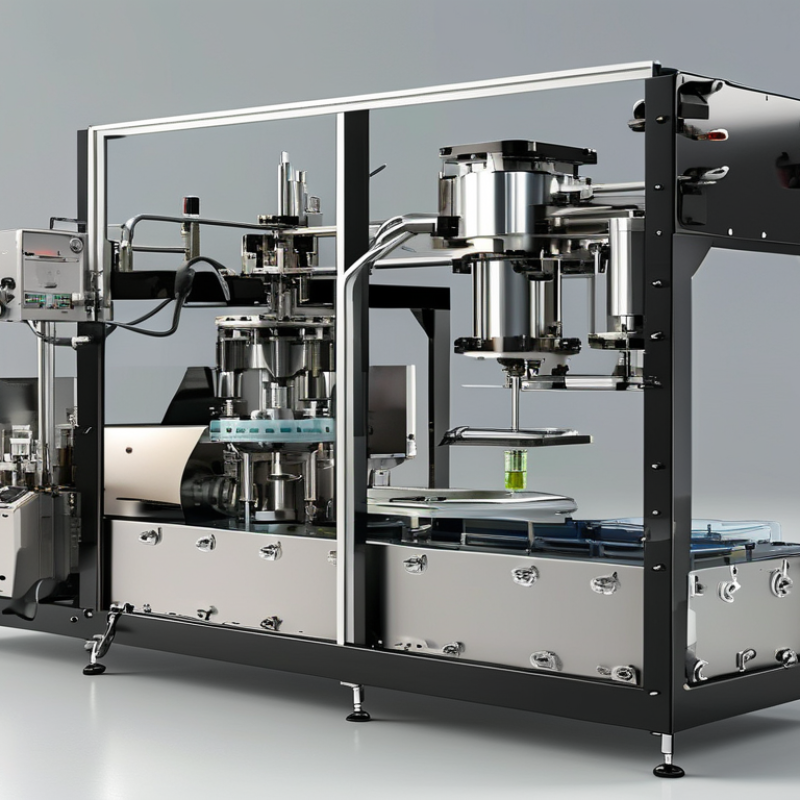
A piston filler is a dispensing machine widely used in various industries, especially in food and beverage and cosmetics. This device efficiently fills liquid products into containers. It operates using a piston mechanism that draws in liquid during the intake stroke and dispenses it during the discharge stroke. According to industry statistics, piston fillers are often favored for their accuracy, achieving a filling accuracy rate of over 99%.
These machines are versatile, capable of handling various viscosities. They can fill products ranging from thin liquids to thick pastes. One concerning aspect, however, is that maintenance can be insufficient. Many users overlook routine check-ups, leading to performance issues. Regular maintenance improves longevity and reliability, yet about 30% of operations fall short in this area, risking downtime.
Piston fillers can also feature customizable settings for different container sizes, increasing their productivity. However, operators occasionally struggle to calibrate these settings, resulting in inconsistent fills. This challenge can impact product quality. Enhancing operator training can mitigate these issues, but many companies still underinvest in this critical area. Emphasizing proper training and maintenance could lead to significant improvements in efficiency and output quality in the long run.
Components of a Piston Filler Explained
Piston fillers are essential tools in many manufacturing processes. Understanding the components is crucial for their efficient operation. At the core of a piston filler is the piston itself. This cylindrical component moves back and forth, creating a vacuum that draws in the liquid and then dispenses it accurately.
Another important part is the cylinder. The piston fits tightly within it, allowing minimal space for leakage. The feed hopper is where the liquid is stored before filling. It is vital that the hopper remains clean and free of contaminants. Any impurities can affect the final product's quality.
Regular maintenance is important for the longevity of the piston filler. Check seals and gaskets regularly for wear and tear. This can prevent issues during production. Often, operators overlook cleaning the cylinder, which can lead to clogs and inaccuracies. Make sure to implement a routine cleaning schedule.
It’s worth noting that not all liquids behave the same when being filled. Factors like viscosity and temperature can affect the filling process. Experimenting with different settings might be necessary. This reflects the need for constant improvement and adaptation in your filling processes. Each component plays a role, and understanding them is key to achieving optimal results.
How Does a Piston Filler Operate?
A piston filler is a device widely used in various industries, especially for liquid filling. Its operation hinges on the mechanics of a piston moving back and forth within a cylinder. When the piston moves back, it creates a vacuum that pulls the liquid into the cylinder. The materials can range from oils and sauces to thicker products like creams.
Once the piston reaches the desired volume, it pushes the liquid out through a nozzle, filling the container. This process is precise and repeatable, making it ideal for consistent product dosage. However, achieving perfect calibration can be tricky. Variations in product viscosity or even air bubbles can lead to discrepancies in filling volumes. Operators need to regularly check the equipment for accuracy.
The design of a piston filler allows for flexibility. It can handle different container sizes and fill a range of viscosities. Yet, it requires constant monitoring to ensure optimal performance. Regular maintenance and adjustments are critical to avoid downtime and ensure reliable outputs. The balance between efficiency and occasional miscalculations necessitates ongoing training for users.
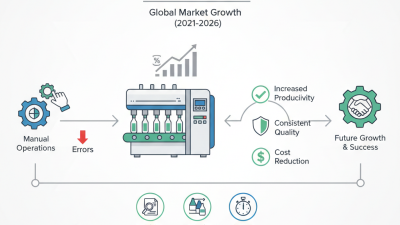
Piston Filler Operation Efficiency
Advantages of Using a Piston Filler
Piston fillers have gained popularity in various industries, especially in food and pharmaceutical sectors. They offer precise filling capabilities. This precision helps minimize material waste, which is crucial in high-cost environments. According to a recent industry report, using piston fillers can increase production efficiency by up to 30%. This improvement can significantly benefit companies looking to optimize their operations.
One notable advantage of piston fillers is their versatility. They can handle a wide range of viscosities, from thin water-like substances to thick creams. A study from the Packaging Machinery Manufacturers Institute found that 74% of manufacturers prefer piston fillers for their ability to fill diverse products without extensive adjustments. The consistent and accurate measurements reduce the likelihood of human errors. However, this system may require periodic maintenance, which can deter some businesses from full adoption.
Additionally, piston fillers excel in reducing contaminations during the filling process. The design allows for smooth transitions between different products, minimizing the risk of cross-contamination. This is essential in healthcare and food production where safety standards are paramount. Despite these benefits, companies must evaluate the initial investment versus long-term gains. Understanding operational needs helps make informed decisions when considering piston fillers, ensuring that the right system is in place for efficiency.
What is a Piston Filler and How Does it Work? - Advantages of Using a Piston Filler
| Dimension |
Description |
| Filling Accuracy |
High precision filling within ±1% of the target volume |
| Filling Speed |
Can fill approximately 400-600 bottles per hour |
| Product Types |
Suitable for a wide range of liquids, including viscous products |
| Material Compatibility |
Works well with a variety of materials - plastic, glass, and metal |
| Maintenance Requirements |
Relatively low maintenance; components are easy to clean and replace |
| Automation Level |
Can be fully automated or operated manually |
| Cost Efficiency |
Cost-effective for high-volume production runs |
Common Applications of Piston Fillers
Piston fillers play a crucial role in various industries, especially in manufacturing and packaging. These machines are widely used to fill liquids, creams, or pastes into containers, ensuring efficient and accurate dispensing. Common applications include food production, cosmetics, and pharmaceuticals. Each sector benefits from the precision and speed that piston fillers offer.
In the food industry, piston fillers are ideal for products like sauces, jams, and beverages. They provide consistent volumes, making sure that every package is filled accurately. However, there can be challenges with thick products. Adjustments might be needed to maintain efficient operation. In cosmetics, these fillers help in packaging creams and lotions. The formulation’s consistency can affect the filling process, requiring operators to monitor closely.
Pharmaceutical manufacturers use piston fillers for liquids and semi-solids. Accuracy here is critical, as even a small error can lead to significant issues. It is essential to ensure that machinery meets safety and sterility standards. The high expectations in this field make it vital to regularly assess equipment and processes. Maintenance is necessary to avoid downtime and ensure reliability, highlighting the importance of attention to detail in operations.
 Skip to content