How to Safely Store LPG in a Storage Tank?
Storing LPG in a storage tank requires careful consideration. Liquefied Petroleum Gas (LPG) is highly flammable. According to a report from the National Fire Protection Association, LPG incidents can cause severe damage. This underlines the need for proper storage practices.
A well-designed LPG Storage Tank should be equipped with safety features. These may include pressure relief valves and automatic shutoff systems. According to the American Petroleum Institute, about 10% of LPG storage tanks experience leaks. Regular maintenance is crucial for preventing such issues.
Proper site selection can significantly reduce risks. It is essential to avoid areas prone to flooding or seismic activities. The right setup ensures safety and compliance with industry regulations. However, many facilities still overlook these important factors. This presents opportunities for improvement in storage practices. Each facility can assess its protocols and ensure a safe environment for LPG storage.
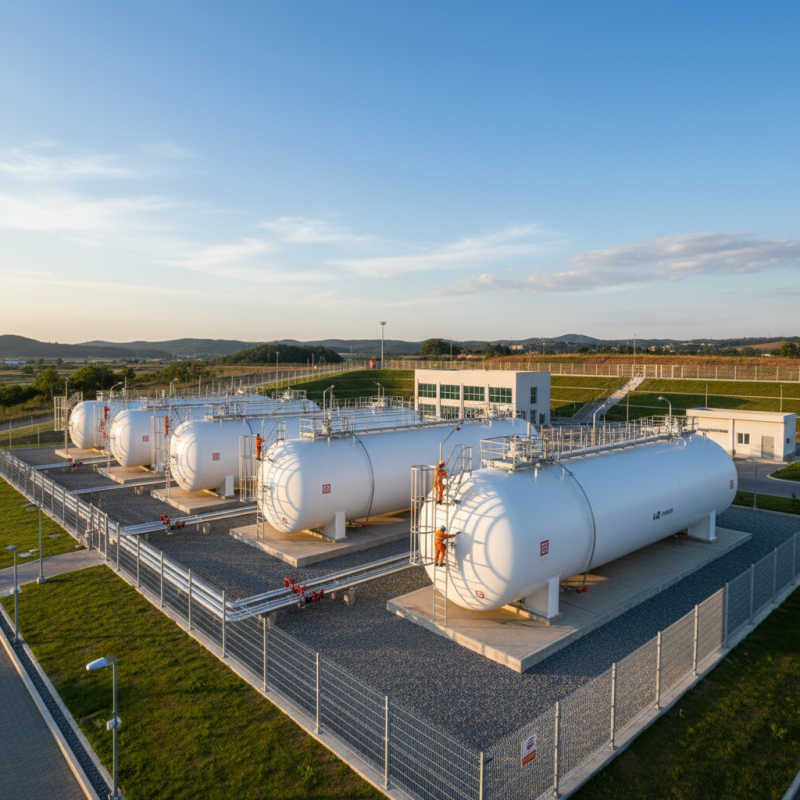
Importance of Safe LPG Storage Practices
Safe LPG storage practices are crucial for preventing accidents. Liquid petroleum gas (LPG) is highly flammable. Any leakage can lead to explosions or fires. Thus, it's essential to store LPG in a well-ventilated area. Adequate ventilation helps disperse any leaked gas. Regular checks on storage tanks can reveal potential leaks or damages.
Safety equipment is also important. Have fire extinguishers nearby. Users often overlook this detail. Clear labeling of the storage tank is necessary. It should indicate the contents clearly. Emergency contact numbers should be easily visible.
Training for those handling LPG is vital, too. Understanding how to react in emergencies can save lives. Many people underestimate risks. Simple precautions can significantly mitigate dangers. It’s about fostering a mindset of safety awareness. Regularly reviewing safety practices can lead to improvements over time. Smart storage isn’t just about space; it's about safety.
Choosing the Right Storage Tank for LPG
Choosing the right storage tank for Liquefied Petroleum Gas (LPG) is critical for safety and efficiency. According to the National Fire Protection Association (NFPA), improper storage can lead to serious accidents. Selecting a tank made from high-quality materials is essential. Tanks with a minimum thickness of 4 mm for steel are recommended. These tanks are more resistant to corrosion and ruptures.
Design is also important. Vertical tanks save space and are easier to install. Their capacity can range widely. A typical home may use a 500-gallon tank, while commercial sites often require much larger options. Ventilation plays a significant role. Properly vented tanks minimize the risk of pressure build-up. According to a recent report by the Gas Technology Institute, 30% of LPG accidents are linked to inadequate ventilation.
You must consider local codes and regulations when choosing your tank. Not all areas have the same guidelines. Some regions require secondary containment systems to prevent spills. The installation process should not be rushed. Improperly placed tanks can have dire consequences. Regular maintenance checks are also necessary. Reports indicate that neglecting these checks increases risk significantly.
Installation Requirements for LPG Storage Tanks
When installing an LPG Storage Tank, safety is paramount. The tank should be placed on a solid, level foundation. Ground conditions must be examined. Ensure the area is well-drained. This prevents water accumulation around the tank. Local regulations often dictate specific distances from buildings and property lines. Adhering to these guidelines is essential.
Ventilation is another crucial aspect. Tanks need to be located in open areas to avoid gas buildup. Install safety valves and pressure relief systems. These components must be routinely checked. Regular maintenance can prevent potential hazards.
Consider the environment around the tank. Avoid locations near flammable materials. Conduct risk assessments regularly. Safety signs should be visible. Proper training for staff handling LPG is necessary. Improper installations can lead to accidents. It's vital to reflect on past incidents to improve current practices.
Regular Maintenance and Inspection of LPG Tanks
Regular maintenance and inspection of LPG tanks is crucial for ensuring safety. According to a report by the National Fire Protection Association (NFPA), over 60% of LPG-related incidents stem from poor tank maintenance. Routine checks can identify leaks, corrosion, and other visible damage. A small crack can lead to significant hazards.
Inspections should occur at least once a year, but more frequent checks are advisable in high-risk environments. Tanks should be examined for rust, dirt buildup, and valve functionality. A tiny imperfection could escalate quickly. Industry experts recommend using corrosion-resistant materials for tanks. This often helps reduce maintenance needs. Not every facility follows these guidelines, which increases the risk of accidents.
After inspections, maintenance reports should be documented meticulously. This practice helps track maintenance history and assess long-term tank health. It also provides insights into potential future issues. Despite these recommendations, neglect still occurs. Many facilities overlook these critical processes, leading to unsafe operating conditions. Regular maintenance is not just a precaution; it's a necessity.
Emergency Procedures for LPG Storage Tank Incidents
In the event of an LPG storage tank incident, quick action is crucial. The first step is to notify emergency services. Call local authorities immediately. They have the training and resources needed to handle such situations properly. While waiting for help, evacuate the area to ensure everyone's safety. Do not attempt to approach the tank or contain a leak without proper gear.
If a leak is detected, try to identify its source from a safe distance. Look for signs such as hissing sounds or gas odors. Never use electrical equipment or flames in the vicinity. These actions can lead to ignitions. Control the situation by directing others away from the leak. Remember, panic can cloud judgment. Keep a cool head to help guide others.
Flammable gas poses real dangers. Storage tanks require vigilant monitoring and maintenance. Regular checks can prevent many accidents. Reflecting on past incidents can provide valuable insights. Consider what went wrong and how to prevent future occurrences. Always have an emergency plan in place. Prepare to respond swiftly but safely. Planning is essential for minimizing risks associated with LPG storage.
 Skip to content