China Top Capping Machine Manufacturers and Suppliers
China has become a major sourcing center for reliable packaging equipment. Its manufacturers serve beverage, cosmetic, pharmaceutical, food, and chemical industries worldwide. A capping machine may look simple, but its performance depends on torque accuracy, cap alignment, speed, and container stability.
Packaging automation expert Jorge Izquierdo of PMMI has stated, “Automation should make a process more consistent, measurable, and safe.” This principle fits capping equipment closely. A strong machine should apply each cap evenly, reduce leakage, and protect the package from damage. It should also support quick changeovers when bottle sizes or closure types change.
Small details matter. Stainless steel frames help resist corrosion. Servo-driven systems can provide accurate torque control. A clear guarding system allows operators to observe the process safely. Some suppliers offer rotary, spindle, chuck, snap, and inline capping machine designs. The right choice depends on production speed, cap material, bottle shape, and filling-line layout.
China’s top capping machine manufacturers often provide customization, testing, installation guidance, and spare-parts support. However, a polished website is not enough. Buyers should request factory videos, sample tests, torque reports, electrical specifications, and customer references. No supplier is perfect. Even a well-built machine may require adjustment after transport and commissioning. That reality deserves honest discussion.
This guide examines leading Chinese manufacturers and suppliers through practical criteria. It considers engineering experience, quality control, compliance awareness, service response, and long-term operating value. The goal is not simply to find the cheapest machine. It is to identify dependable equipment for stable, measurable, and safer production.
China’s Capping Machine Market: Types, Applications, and 2024 Data
China’s capping machine market remained active in 2024, supported by beverage, food, cosmetics, and household chemical production. Public industry estimates vary, but domestic equipment demand was widely reported in the multi-billion-yuan range. Export orders also increased across Southeast Asia, the Middle East, and Africa.
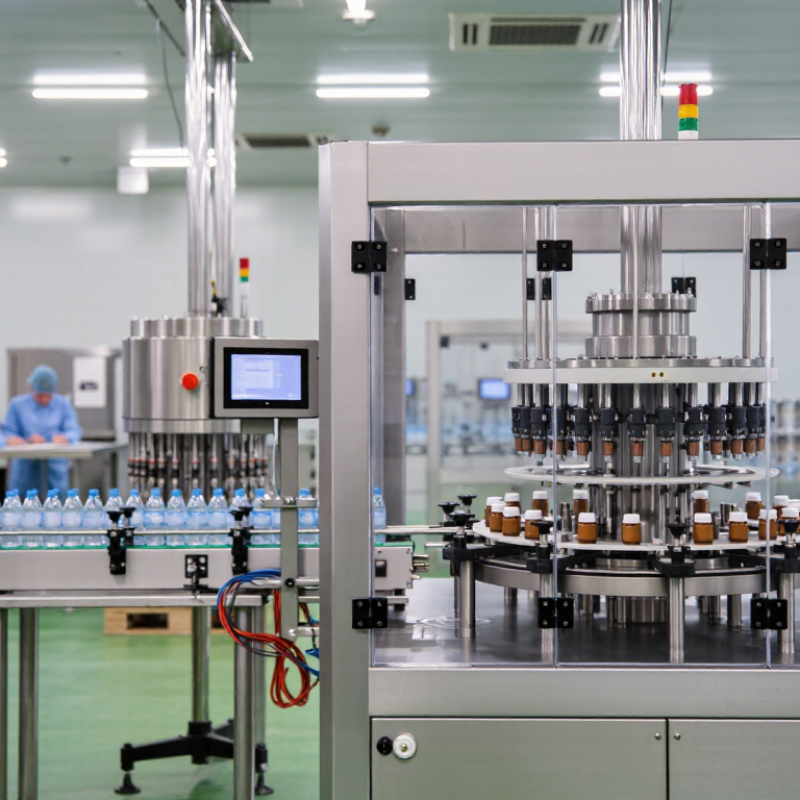
The market includes spindle cappers, chuck cappers, snap cappers, rotary cappers, and servo-controlled systems. Spindle models suit high-speed beverage lines, often handling 60 to 300 bottles per minute. Chuck cappers provide stable torque for glass jars and pharmaceutical-style containers. Snap cappers work well with lightweight plastic packages. Rotary systems support large factories requiring continuous production.
Application requirements differ sharply. A sauce producer may need 25 to 45 bottles per minute and frequent format changes. A bottled-water line may require over 200 bottles per minute. Torque control, cap feeding accuracy, sealing consistency, and cleanability deserve careful testing. In 2024, many buyers also requested remote diagnostics and energy-saving drives.
Pricing remains difficult to compare. A low purchase price can hide expensive change parts, air consumption, or weak after-sales support. This is where market data becomes imperfect. Published figures often combine different machine types and capacities. Buyers should verify output using their own bottles, caps, materials, and production targets. Factory trials reveal more than a sales sheet.
Capping Performance Metrics: 30–600 CPM Speed and ±5% Torque Accuracy
China Top Capping Machine Manufacturers and Suppliers
Capping performance is often measured through speed and torque control. Modern systems can operate from 30 to 600 containers per minute. This range supports both pilot production and high-volume packaging lines. Real output depends on container shape, cap design, and product flow. Speed alone does not prove performance.
Torque accuracy within ±5% helps protect closure quality. Too little torque may cause leakage or loose caps. Too much torque can damage threads, liners, or lightweight containers. Reliable suppliers should verify torque with calibrated testers and recorded production data. Servo-driven capping heads usually provide steadier results than basic mechanical systems. Still, calibration must match the cap material and container neck.
Practical trials reveal important details. A machine may reach 600 CPM with small, uniform caps. Larger caps often require slower handling and closer alignment. Operators should inspect cap feeding, bottle spacing, and rejection response during testing. One overlooked issue is torque drift after long operation. Heat, vibration, and worn contact parts can affect readings. Early evaluations sometimes focus too heavily on peak speed. That can hide unstable performance at normal factory rates. Clear test reports should show speed, torque results, product samples, and adjustment limits. Suppliers that explain these limitations appear more credible and easier to evaluate.
Top Chinese Manufacturers: Technology, Certifications, and Production Capacity
China’s leading capping machine manufacturers compete through engineering depth, certifications, and scalable production. The International Federation of Robotics reported 276,288 industrial robots installed in China during 2023, representing over half of global installations. This automation supports repeatable torque control, faster assembly, and consistent testing.
Strong suppliers usually operate under ISO 9001 quality systems and provide traceable inspection records. For export projects, buyers should verify CE conformity, electrical safety files, and material documentation for product-contact components. PMMI’s 2024 Global Packaging Trends research highlights continued investment in automation, digital monitoring, and flexible packaging lines. A capable factory should therefore offer servo-driven capping, torque feedback, recipe storage, and changeover records. Production capacity matters, but capacity without process control can create expensive inconsistencies.
Tips: Request a live factory audit. Check monthly output, not only annual claims. Ask for sample torque reports, FAT procedures, spare-parts availability, and operator training plans. Confirm whether quoted capacity includes testing, packing, and final inspection. Some suppliers show impressive speed during demonstrations, yet real production may be slower. That gap deserves attention. A practical evaluation should include several cap sizes, continuous running tests, noise measurements, and rejection-rate data. Independent verification is useful when certification documents look incomplete or recently issued.
China Capping Machine Manufacturing: Typical Production Capacity by Configuration
Chinese capping machine suppliers commonly provide manual, semi-automatic, inline automatic, rotary, and filling-capping monoblock systems. The chart compares typical rated output bands published for these equipment configurations, measured in containers per minute.
The ranges are non-company-specific industry benchmarks. Actual capacity depends on cap type, bottle format, closure material, product viscosity, machine layout, and required torque accuracy. Export-oriented equipment may be supplied with ISO 9001 quality-management documentation, CE conformity documentation where applicable, and hygienic or GMP-oriented designs for regulated applications.
Supplier Selection Criteria: GMP, ISO 9001, Customization, and Lead Times
Selecting a capping machine supplier in China requires more than comparing online prices. GMP readiness should appear in equipment design, documentation, cleaning access, and material control. Ask for controlled procedures, batch records, and traceable component lists. A certificate alone is not enough. Verify its scope, issuer, and current validity. During a factory visit, inspect stainless-steel welds, guarded moving parts, and clean assembly areas. Small details often reveal daily discipline.
ISO 9001 can show a functioning quality management system, but it does not guarantee perfect machinery. Request inspection plans, calibration records, nonconformance reports, and corrective-action examples. Experienced suppliers should explain torque control, cap-feeding stability, changeover methods, and rejection handling clearly. Ask for a video using containers and closures similar to yours. Laboratory samples can mislead. Production-floor evidence is stronger.
Customization needs a written technical specification. Include container dimensions, cap type, line speed, torque range, contact materials, controls, utilities, and acceptance tolerances. Confirm who approves drawings and software changes. Lead time should cover engineering, fabrication, testing, packing, and commissioning support. Request milestones, not just a delivery date. A factory acceptance test can expose slipping caps or unstable torque before shipment. Leave time for revisions. This point is often underestimated. In practice, a small neck-finish change can disrupt an entire schedule. Clear ownership helps prevent that mistake.
Importing from China: Pricing, After-Sales Support, and ROI Benchmarks
Importing a capping machine from China requires more than comparing catalogue prices. A semi-automatic machine may cost US$3,000–8,000, while automated lines can exceed US$30,000. Your real budget should include freight, insurance, import duties, installation, molds, and spare parts. Ask suppliers for an itemized FOB or CIF quotation. Request videos showing cap feeding, torque control, and changeover time. A factory audit, sample test, and written acceptance criteria can prevent expensive surprises.
After-sales support often determines the machine’s practical value. Confirm warranty length, remote response times, technician availability, and the cost of common parts. Ask whether manuals include wiring diagrams and maintenance schedules. Keep sensors, belts, and chuck components on site. Small parts can stop a production line. ROI calculations should compare labor savings, output, rejection rates, and planned downtime against the landed cost. Many buyers target a 12–24-month payback, but this benchmark depends heavily on utilization and local labor costs. A spreadsheet can look convincing. It can still be wrong. Test production with your actual bottles and caps before signing the final payment.
China Top Capping Machine Manufacturers and Suppliers - Importing from China: Pricing, After-Sales Support, and ROI Benchmarks
| Machine Category |
Typical Application |
Practical Output Range |
Typical Cap Size |
Indicative China Price
(EXW, USD) |
Estimated Delivered Cost
(USD) |
Typical After-Sales Package |
Estimated Payback Period |
Expected Service Life |
| Manual Bench Capping Machine |
Small-batch cosmetics, food, laboratory, and household products |
600–1,200 bottles/hour |
10–50 mm |
$500–$2,000 |
$900–$3,200 |
Remote commissioning; digital manual; commonly 12-month parts warranty |
6–15 months |
5–8 years |
| Semi-Automatic Pneumatic Capping Machine |
Water, sauces, personal care, and general liquid filling lines |
1,000–2,400 bottles/hour |
18–80 mm |
$2,000–$6,000 |
$3,200–$8,500 |
Video training; remote troubleshooting; wear-parts list; 12-month warranty is common |
8–18 months |
6–10 years |
| Automatic Inline Capping Machine |
Integrated production lines for beverages, chemicals, cosmetics, and food |
2,000–6,000 bottles/hour |
18–100 mm |
$6,000–$18,000 |
$9,000–$25,000 |
Remote FAT support; commissioning guidance; electrical drawings; spare-parts support |
12–24 months |
8–12 years |
| Servo-Controlled Inline Capping Machine |
High-repeatability packaging with torque monitoring and recipe control |
3,000–8,000 bottles/hour |
18–120 mm |
$12,000–$35,000 |
$17,000–$45,000 |
PLC/HMI backup; remote diagnostics; operator training; recommended critical spares |
18–30 months |
10–15 years |
| Rotary Multi-Head Capping Machine |
High-volume beverage, edible oil, pharmaceutical, and chemical packaging |
6,000–24,000 bottles/hour |
18–110 mm |
$25,000–$80,000 |
$35,000–$105,000 |
Factory acceptance testing; installation support; preventive-maintenance schedule; spare-parts planning |
24–42 months |
12–18 years |
Benchmark Notes: Price ranges are indicative purchasing benchmarks for new equipment sourced from China and vary according to automation level, cap-feeding configuration, materials, controls, certifications, testing, and customization. Delivered-cost estimates include typical international freight, export packing, insurance, and import-related allowances, but exclude local taxes, duties, installation labor, and facility modifications. ROI estimates assume one-shift operation, 250–300 production days per year, reduced manual labor, and stable product demand. Actual performance should be validated through a factory acceptance test using the buyer’s bottles and caps.
 Skip to content