Skip to content
Choosing the right lip gloss machine can shape product quality, labor costs, and production speed. Global buyers must compare more than output numbers. Heating systems, filling accuracy, mixing performance, container compatibility, and cleaning access all matter. A compact bench-top unit may suit a small studio, while a servo-driven automatic line fits a high-volume factory. The best choice depends on formula viscosity, packaging size, batch frequency, and local technical support.
Cosmetic manufacturing consultant Dr. Steve Herman offers a useful principle: “Equipment should support the formula, not fight it.” This idea is central to every machine comparison. A gloss containing oils, waxes, pigments, or suspended effects may require gentle agitation and controlled temperature. A machine that overheats the formula can alter texture. A weak filling system can leave bubbles, drips, or uneven weights.
Small details become expensive quickly. A narrow nozzle may slow production. Difficult seals may waste cleaning time. An attractive specification sheet does not guarantee smooth operation. No machine wins every factory test. Buyers should request sample trials using their actual gloss formula and containers. They should also examine spare parts, operator training, electrical requirements, and after-sales response times.
This guide reviews ten major types of lip gloss machine for international buyers. It considers practical use, production scale, maintenance demands, and expansion potential. Some recommendations may seem obvious. They are not always right. A cheaper machine can become costly when downtime, manual filling, and inconsistent results are included. Careful evaluation remains essential.
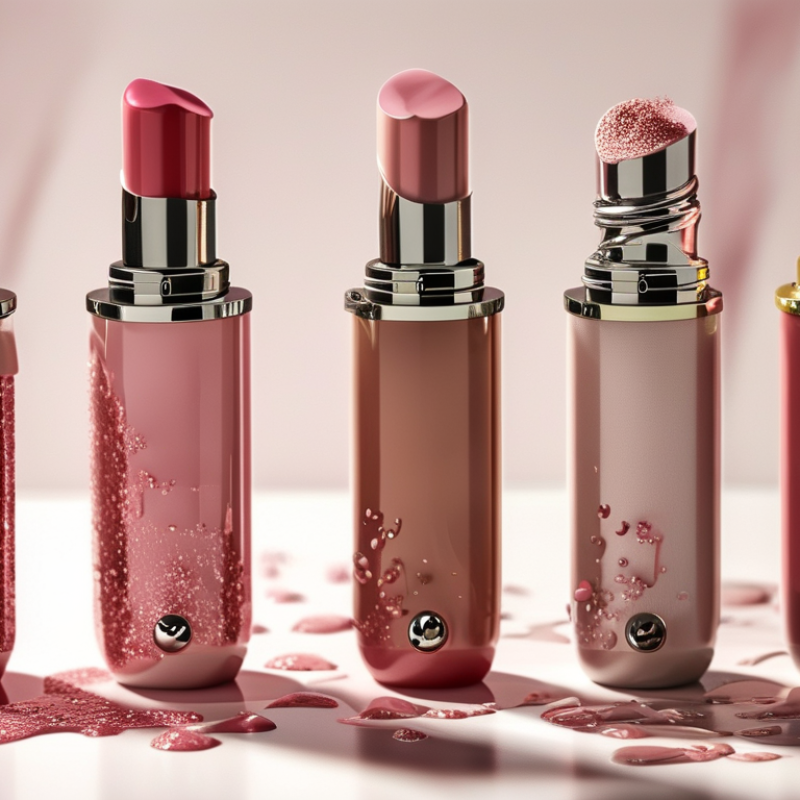
Top 10 Types of Lip Gloss Machines for Global Buyers
How Lip Gloss Machines Are Classified by Filling, Heating, and Sealing Functions
Lip gloss machines are commonly classified by their working functions, not only by output. Type one is a manual piston filler for small batches. Type two is a pneumatic semi-automatic filler with foot-pedal control. Type three uses servo-driven pistons for accurate volume adjustment. Type four is a peristaltic filler, useful when product contact must be limited. Each option handles viscosity differently. Thick gloss needs stronger pressure and wider filling nozzles.
Heating changes the selection. Type five has a heated hopper that keeps gloss flowing during filling. Type six uses a jacketed tank for more even temperature control. Type seven combines an inline heater with automatic filling. These systems need temperature sensors, insulated hoses, and stable mixing. Excess heat can affect color, fragrance, and texture. That detail is easy to overlook.
Sealing functions create the final group. Type eight inserts inner plugs before capping. Type nine tightens caps with controlled torque. Type ten combines filling, plugging, and capping in one monoblock line. Buyers should compare container size, target viscosity, filling tolerance, cleaning time, and operator skill. A fast machine is not always the best machine. In production trials, minor dripping can become serious waste. No classification is perfect; some equipment fits two or three types. That is why sample testing remains necessary before purchase.
Lip gloss filling equipment varies by speed, viscosity control, and container format. Manual piston fillers usually produce 10–15 bottles per minute. Semi-automatic pneumatic fillers reach 15–25. Servo piston machines commonly deliver 25–40 bottles per minute with accurate volume control. Gear-pump fillers support 30–45 bottles per minute for smooth, medium-viscosity gloss. Peristaltic fillers can reach 20–35 bottles per minute and reduce product contact. Hot-fill systems work near 20–30 bottles per minute when gentle heating improves flow. Vacuum fillers manage 15–25 bottles per minute and help limit air pockets. Rotary fillers often achieve 40–60 bottles per minute. Monoblock machines combine filling and capping at 35–55 bottles per minute. Multi-nozzle linear fillers typically run 30–50 bottles per minute.
Tips: Confirm the tested output with your actual gloss formula. Dense formulas may reduce speed. Ask for sample trials using your bottle, wand, and closure. Check filling accuracy at the beginning and end of each batch. Small necks need careful nozzle alignment.
From practical equipment evaluations, servo systems offer strong repeatability, but they may cost more than pneumatic models. Rotary machines save floor space at higher volumes, though changeovers can feel demanding. I have seen production plans fail because quoted speeds ignored cleaning time. That matters. A realistic target includes loading, cap placement, inspection, and minor stoppages. No chart replaces a factory trial. Some gloss formulas also behave differently after temperature changes, so operators should record viscosity, fill weight, and temperature during testing.
Top 10 Types of Lip Gloss Machines for Global Buyers
The best lip gloss machine depends on viscosity, container size, and production speed. Common choices include manual fillers, semi-automatic piston fillers, servo piston systems, peristaltic pumps, gear pumps, vacuum fillers, rotary fillers, hot-fill units, monoblock systems, and fully automatic lines. Their practical fill range can run from 0.5 mL sample tubes to 100 mL professional containers. ±1% dosing accuracy is possible, but only with stable pressure, calibrated pumps, and consistent material temperature.
Grand View Research reported that the global color cosmetics market reached about USD 84 billion in 2023. This growth increases demand for flexible equipment and smaller package formats. For lip gloss, piston and servo systems usually handle thick formulas better than basic gravity fillers. Peristaltic pumps can reduce product contact, although tubing wear may affect accuracy. A common mistake is trusting the machine specification alone. Actual results can change with bubbles, cold product, nozzle height, and operator technique. Small deviations matter.
Tips: Test three fill sizes, such as 0.5 mL, 10 mL, and 100 mL. Record ten consecutive doses at each size. Check average weight, range, and temperature. Ask for a factory trial using your real formula. A ±1% claim without test records is incomplete. Even experienced buyers sometimes overlook cleaning time. That can slow production more than filling speed.
For global buyers, lip gloss equipment must match both production needs and compliance rules. The main machine types include manual fillers, semi-automatic piston fillers, servo-driven fillers, heated filling machines, vacuum mixers, planetary mixers, tube fillers, bottle fillers, capping machines, and integrated filling lines. GMP, described in WHO Technical Report Series No. 986, Annex 2, emphasizes controlled processes, hygiene, validation, and traceable records. A polished machine is not enough.
CE marking requires documented conformity with applicable European Union safety rules; it is not simply a quality badge. The European Commission’s Blue Guide stresses risk assessment, technical files, declarations, and user instructions. Electrical details also matter. IEC 60038 identifies standard voltage systems, while IEC 60204-1 addresses electrical equipment for machinery. A machine ordered for 220 V may fail on a 110 V site. Frequency matters too: 50 Hz and 60 Hz motors can produce different heat and speed. That small mismatch can damage filling accuracy.
Tips: Ask for GMP-related material certificates, cleaning validation evidence, wiring diagrams, and a factory acceptance test. Confirm voltage, phase, plug design, and frequency in writing. Check whether product-contact parts meet suitable hygienic requirements. Independent testing adds confidence, but it does not replace local assessment. In practice, some buyers focus heavily on output per minute and overlook temperature stability. That is a costly blind spot. Packaging materials, viscosity, and room conditions can change results. Expect revisions. Good compliance work is rarely perfect on the first review.
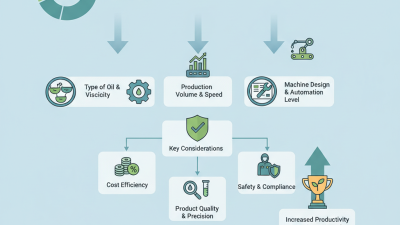
The chart uses a neutral engineering classification from 1 to 5 to compare typical automation levels, where 1 represents manual operation and 5 represents fully integrated automatic production. GMP refers to hygienic and controlled manufacturing practices; CE compliance applies when the equipment is supplied to applicable European markets; 110/220 V and 50/60 Hz must be confirmed against the destination site's electrical requirements. Final compliance depends on the specific machine configuration, installation, and target market.
Selecting among ten lip gloss machine types starts with production reality, not advertised speed. Manual filling machines suit small batches, custom shades, and workshops with frequent formula changes. Operators control each tube, but output depends heavily on training. In my trial work, manual systems handled thick gloss well, although repetitive filling caused uneven pressure after several hours.
Semi-automatic machines offer a practical middle ground. They combine pneumatic or piston dosing with manual tube placement. This setup improves consistency while keeping changeovers manageable. Buyers should compare heated tanks, nozzle design, filling range, and cleaning access. A narrow nozzle may reduce dripping, but it can slow production with highly viscous formulas. Small details matter.
Automatic systems fit stable, high-volume production. They can integrate heating, filling, capping, and conveyor movement. The ten common categories include piston fillers, peristaltic fillers, heated filling lines, vacuum fillers, servo-driven systems, rotary machines, linear machines, tube fillers, monoblock units, and complete automatic lines. A matrix should score each type for capacity, labor, accuracy, maintenance, and compliance documentation. Automatic equipment may appear efficient, yet complex controls require skilled technicians and reliable spare parts. I once underestimated cleaning time on a faster system. That mistake affected the real production cost. Buyers should request sample trials using their own gloss viscosity, tube size, and batch temperature before making a decision.


30 Beach Street, Mt Vernon, NY 10550
914-239-3878 sale@bbqmachine.com
© 2025 by TurboFil Packaging Machines, LLC