Top 10 Types of Bottle Filling Machines for Your Business

Choosing a bottle filling machine is not a simple matter of matching a container to a nozzle. The right system must suit the liquid, package shape, target output, and cleaning routine. A thin juice behaves differently from a thick sauce. A glass bottle needs careful handling. Even a small change in fill volume can affect product consistency and reduce saleable output.

Packaging systems engineer Mara Ellis puts the choice this way: “A good filler fits the product, the package, and the pace of the line.” That is a practical guidepost, not a substitute for testing. Before buying, ask suppliers to run your actual product through the proposed equipment. Watch for foam, drips, uneven levels, and awkward changeovers. Details matter. Ask how quickly operators can clean the machine, adjust settings, and find replacement parts. A fast production rate looks impressive on paper. It may mean little if frequent stops follow.

This guide explores 10 types of bottle filling machines, from gravity and piston fillers to more automated systems. Each type serves different needs, and none is perfect for every business. A small producer may value flexibility over speed. A growing plant may need repeatable fills and room to expand. The comparison ahead offers a starting point, not a final verdict. Your product and production floor should make the final call.
Top 10 Types of Bottle Filling Machines for Your Business

What Bottle Filling Machines Do and How They Work

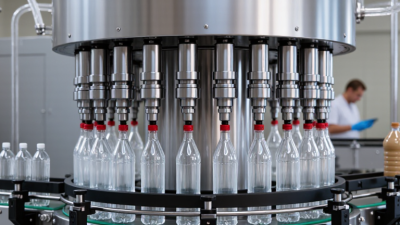
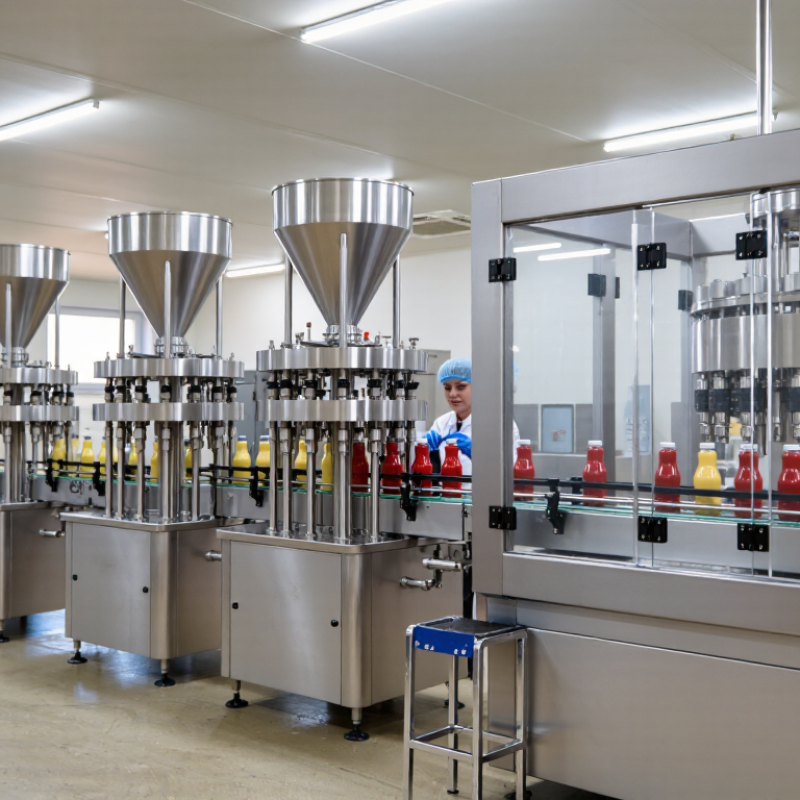
A bottle filling machine moves a controlled amount of liquid into each container. Its basic parts include a product tank, feed lines, filling nozzles, and a conveyor or worktable. The machine may fill by gravity, pumping, pressure, or a piston that measures each dose. The right method depends on the liquid. Thin juice behaves differently from a thick lotion.

It looks simple. A sensor or operator positions each bottle beneath a nozzle, then a valve opens for a timed or measured fill. Gravity fillers use liquid height and flow; piston fillers draw product into a cylinder and push out a set volume. Pump systems can handle a wider range of flow needs. Some machines fill to a consistent level, which can help bottles look uniform even when their internal capacity varies slightly.

After filling, the nozzle closes and the container moves on for capping or labeling. In practice, setup matters: nozzle height, fill speed, and bottle stability all affect splashing and accuracy. A small drip can leave sticky residue on a conveyor. Operators should check fill weights or volumes during a run and clean product-contact parts as instructed. The neat diagrams rarely show awkward bottle shapes or foam, and those details can require adjustments. Start with the actual product and containers, not just the machine’s advertised speed.

How Filling Methods Suit Different Products and Containers

The right bottle filling machine depends on the liquid’s flow and the container’s shape. Gravity fillers suit thin, free-flowing products, such as water or light oils, in stable bottles. They use few moving parts, but can struggle when viscosity changes with temperature. Piston fillers handle thicker products like sauces and creams. Their measured strokes can improve portion consistency, though sticky residue may require extra cleaning.

Foaming liquids need a gentler approach. Overflow fillers fill each bottle to a consistent visible level, even when bottle capacity varies slightly. They can work well for clear products in transparent containers, but foam may slow filling. Peristaltic pumps move liquid through flexible tubing, making them useful for small batches or products that need limited contact with machine parts. Net-weight fillers measure product by weight, which helps when density or fill value matters more than a visual level. Fit matters.

Container details can change the decision. Narrow necks call for well-aligned nozzles; wide-mouth jars may allow faster filling but need controlled splash. Uneven bottles can wobble on a conveyor, so guides and handling tests matter. A specification sheet cannot predict every production issue. Run trials with the actual product and container, then check fill accuracy, dripping, foam, and changeover time. Small differences count. A slower setting may prove more reliable than a faster one.

Ten Common Types of Bottle Filling Machines

Bottle-filling machines are commonly classified by how they measure liquid and control the fill. Gravity fillers suit thin, free-flowing liquids. Pressure and vacuum fillers help manage products that foam or release air. Piston fillers handle thicker products, while pump fillers move liquids through controlled strokes. Overflow machines create a consistent visible fill line. Net-weight fillers measure mass; volumetric fillers dispense a preset volume. Hot-fill and aseptic systems describe processing conditions, not just metering methods. Categories can overlap.

Choose equipment around product behavior, container shape, target output, and cleaning needs. A viscous syrup may need a piston filler; a foamy drink may require careful speed control and a suitable nozzle.

Small detail. Deloitte and MAPI’s 2019 Smart Factory Study found that 86% of surveyed manufacturing executives expected smart factory solutions to drive competitiveness within five years. That supports considering sensors and fill monitoring, but automation cannot correct a poor product-machine match.

Not always. Test with real bottles and the actual liquid. Watch for drips, bubbles, uneven fill levels, and changeover time. A tidy specification sheet rarely captures every production-floor surprise.

Where Each Machine Type Fits in Production

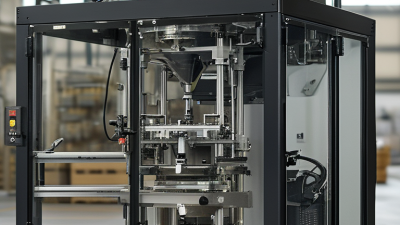
A tabletop filler suits pilot runs, sample batches, and small workshops where changeovers happen often. It takes little floor space, but operators usually load containers by hand. Gravity fillers work well with thin, free-flowing liquids such as water or light oils. They are simple to operate, though foamy products can slow the process. Overflow fillers suit clear bottles when a consistent-looking fill line matters. They are common for shampoos and similar products, but may need adjustment when liquid viscosity changes.

Piston fillers handle thicker products, including creams, sauces, and gels. Their measured strokes support repeatable portions, although cleaning can take time. Pump fillers offer flexibility across different liquid viscosities and container sizes. They fit small-to-medium production lines that need frequent product changes. Net-weight fillers measure product by weight, making them useful when filling accuracy is important. Vacuum fillers suit certain rigid containers and low-viscosity liquids, especially in smaller production settings. Each setup has limits.

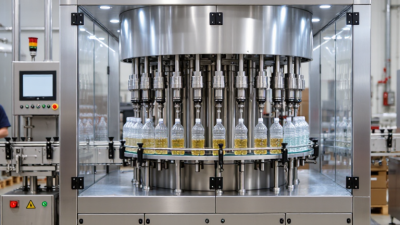
Inline fillers move containers through fixed filling stations and suit steady, moderate-to-high output. Rotary fillers carry containers on a rotating platform, making them a fit for continuous, high-speed lines with consistent packaging. Real production is messier than a comparison chart suggests. A filler that looks fast on paper may become a bottleneck during cap placement, cleaning, or container changeovers. Measure actual container variation and product flow before choosing. Small details matter. A narrow bottle neck or a product that foams easily can change the best fit.

Top 10 Types of Bottle Filling Machines for Your Business

Where each machine type fits in production: indicative operating-rate ranges for automated lines.

These ranges are practical estimates, not guaranteed machine specifications. Actual output depends on bottle size, product properties, number of filling heads, changeovers, and line configuration. Gravity and overflow fillers often suit free-flowing liquids; piston and pump fillers handle thicker products; counter-pressure systems are used for carbonated drinks.

How to Choose a Machine for Your Business Needs

Choosing among inline, rotary, piston, gravity, overflow, net-weight, vacuum, aseptic, and counter-pressure fillers starts with the product, not the catalog. PMMI’s 2023 State of the Industry report estimated U.S. packaging machinery shipments at about $10.2 billion in 2022. That figure signals a substantial equipment market, but it does not mean a faster machine is right for every operation.

Match the filling method to the liquid’s viscosity, foam, particles, and temperature. A foamy drink may need counter-pressure filling; a thick sauce may require piston or net-weight equipment. Check container size, changeover frequency, and the space available for conveyors and cleaning. Then compare the machine’s rated speed with the output your team can sustain across a full shift. Real floors are messier. A brochure rarely shows it.

Ask suppliers to run your product in your actual containers, and record fill accuracy, waste, and changeover time. Check whether operators can reach valves and nozzles safely for routine cleaning. Consider utilities, spare parts, and service response alongside purchase price. A smaller line may fit better if demand fluctuates; a high-speed rotary filler can become an expensive bottleneck when upstream production cannot keep pace. Test the assumptions. Teams often overlook cleanup time, then revise their plans.