Skip to content
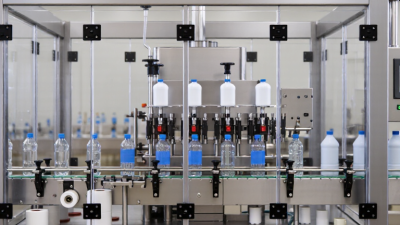
An automatic bottle labeling machine applies labels to bottles at a controlled speed, helping manufacturers keep placement consistent across a production run. Depending on its design, it may handle round, square, or tapered containers, using sensors and adjustable guides to position each bottle. Watch a line in operation: bottles pass beneath a sensor, a label meets the container, and rollers press out small wrinkles. The details matter.
PMMI’s 2024 State of the Industry report examines packaging machinery demand, automation, and workforce pressures across the sector. Such reports offer useful context, though they do not always isolate bottle-labeling equipment or provide a single, comparable market figure. Buyers should check the report’s scope before applying broad packaging data to a specific machine. That distinction is easy to miss.
Packaging machinery consultant John Henry is known for practical guidance on selecting and integrating equipment. I cannot verify a verbatim statement from him about automatic bottle labeling machines in the material provided, so I will not invent a quotation. His work nevertheless points to a useful principle: match machinery to the product, container, and required production rate. A labeler that runs well with one bottle shape may need careful adjustment for another. That is worth testing.
A clear introduction to these machines should cover their components, labeling methods, speed controls, and setup considerations. It should also explain where automation helps—and where operator checks remain important. This guide starts with the basics, using practical examples rather than treating every labeling line as identical.
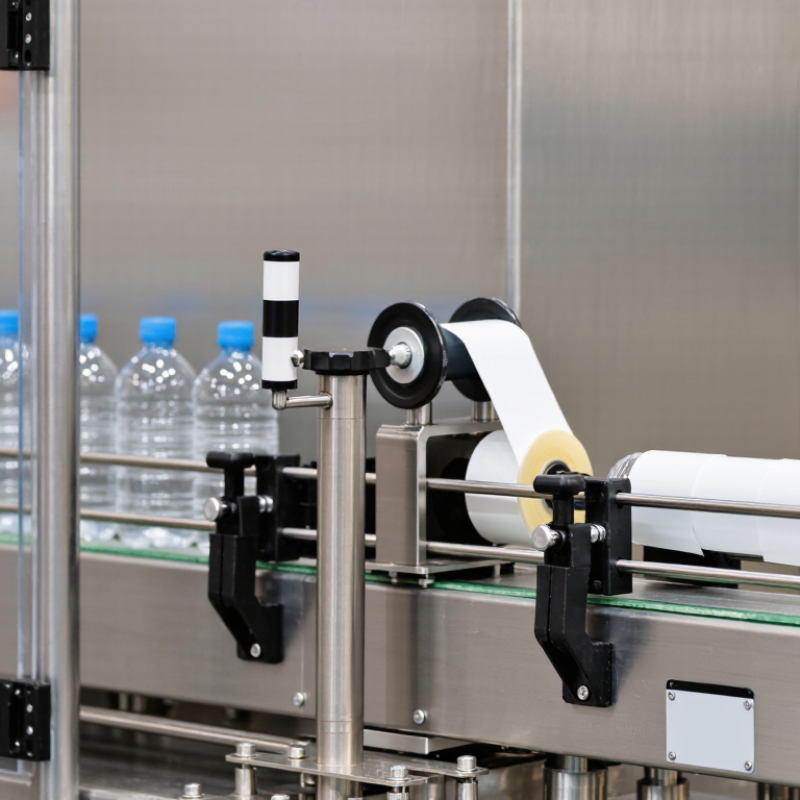
An automatic bottle labeling machine applies labels to containers with limited manual handling. A conveyor moves each bottle past a sensor, which detects its position and triggers label application. Depending on the setup, rollers or a wraparound belt press the label onto the bottle. The result is a more consistent placement across a production run.
Its purpose is to improve labeling speed and repeatability, especially when a line handles many bottles per shift. Operators can adjust settings for bottle diameter, label length, and conveyor speed. A clear setup matters. Even a small mismatch can leave labels tilted, wrinkled, or partly overlapping. The machine supports consistent presentation, but it does not replace checks for print quality or correct product information.
Performance depends on the bottle and label materials as well as the machine settings. Dust, condensation, or uneven bottle surfaces may weaken adhesion or disrupt sensing. Not every line runs perfectly. Operators often need to test a few containers, inspect label edges, and fine-tune alignment before production continues. That practical adjustment is easy to underestimate.
What Is an Automatic Bottle Labeling Machine?
Key Components and Their Functions
An automatic bottle labeling machine coordinates product movement, label delivery, and placement. The infeed conveyor carries bottles toward a spacing screw or starwheel, which separates them. A photoelectric sensor detects each bottle and signals the control system. Timing matters. The label roll unwinds across guides to a peel plate, where the label separates from its backing. A wrap belt, tamp pad, or wipe-on applicator presses it onto the bottle. Pressure rollers smooth the edges and reduce bubbles. An encoder tracks conveyor speed, while the PLC synchronizes sensors, motors, and label feed. Small details count. A slightly skewed guide can cause wrinkles even when every sensor works.
Inspection adds another layer. A camera or label sensor can check presence, position, or printed-code readability, then signal a reject mechanism. Deloitte and MAPI’s 2019 smart-factory study surveyed 600 executives; 86% expected smart manufacturing initiatives to become a primary driver of competitiveness within five years. That figure covers manufacturing broadly, not labelers alone, but it supports connecting machine data to maintenance and quality checks. Useful operator data includes missed-label counts, line speed, and stop causes. Bottle shape, surface moisture, adhesive, and label stiffness all affect placement. It is not always a sensor problem. A short test run with actual bottles can reveal issues that a clean factory diagram misses.
| Component | Primary Function | How It Works |
|---|---|---|
| Frame and machine base | Supports the machine and keeps its operating components aligned. | A rigid structure reduces movement and helps maintain consistent labeling during production. |
| Conveyor system | Moves bottles through the labeling station. | A motor-driven belt or chain transports containers at a controlled speed; guides help keep them in position. |
| Bottle spacing and handling unit | Separates and stabilizes containers before labels are applied. | Timing screws, belts, side guides, or star wheels may be used, depending on the bottle shape and machine design. |
| Label reel holder and unwind system | Holds the label roll and feeds label stock into the machine. | A controlled unwind supplies the web while helping maintain suitable tension as labels are dispensed. |
| Web guides and tension controls | Keep the label web tracking correctly through the feed path. | Guide rollers and tension adjustments help reduce web drift, slack, and stretching. |
| Label sensor | Detects label gaps or registration marks to control label positioning. | Depending on the label material, a photoelectric or other compatible sensor sends a signal to the control system when a label is ready to dispense. |
| Peel plate and dispensing edge | Separates each pressure-sensitive label from its backing liner. | The liner bends sharply around the edge, allowing the label to continue forward while the liner changes direction. |
| Applicator or transfer mechanism | Places the released label onto the bottle. | Application may use a wipe-on roller, belt, tamp pad, or another method suited to the container and label. |
| Wrap-around belt or rollers | Presses and smooths a label around a round bottle. | The bottle rotates or moves against a belt or roller so the label adheres around its surface with fewer wrinkles. |
| Sensors and safety devices | Monitor machine conditions and help protect operators. | Bottle-presence sensors, guards, and emergency stops can pause operation when a fault or unsafe condition is detected. |
| Control panel and drive system | Sets operating parameters and coordinates machine actions. | An operator can adjust settings such as conveyor speed and label position; drives and controls synchronize feeding, sensing, and application. |
| Liner take-up unit | Collects the spent backing material after labels are dispensed. | A driven take-up reel winds the liner to keep the labeling area clear and support continuous operation. |
Component configurations vary by machine type, bottle geometry, label material, and production requirements.
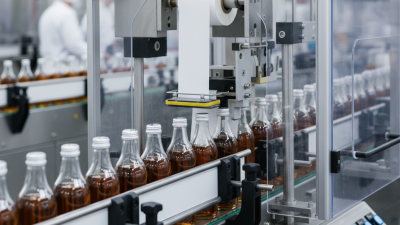
An automatic bottle labeling machine places labels on containers as they move along a production line. A conveyor carries each bottle toward a sensor, which detects its position and signals the labeling unit. Depending on the design, rollers, a wraparound belt, or a tamping head presses the label onto the bottle. The machine then smooths the label to reduce wrinkles and air bubbles. It is not magic: bottle shape, surface moisture, and label adhesive all affect placement. Operators typically test these details during changeovers.
Fortune Business Insights estimated the global labeling machine market at about US$3.1 billion in 2023, reflecting demand across packaging sectors. That figure describes the market, not the speed or accuracy of any single machine. Actual output depends on bottle spacing, label dimensions, and line settings. A clear setup matters. Even a small change in bottle diameter can shift label position, so teams should verify samples before running a full batch.
Tips: Clean bottles before labeling, keep label rolls aligned, and inspect the first few containers after each adjustment. Check again during the run. A quick visual check can catch drift, though it will not replace routine calibration.
What Is an Automatic Bottle Labeling Machine?
Common Machine Types and Label Placement Methods
Automatic bottle labelers apply labels as containers move through a production line. Inline machines suit steady, moderate-speed runs; rotary systems handle higher throughput by rotating bottles around a central turret. Pressure-sensitive models apply pre-glued labels from a roll, while glue-applied machines transfer labels using adhesive. Sleeve labelers fit a film tube over the bottle, then use heat to shape it. Each type has trade-offs. Sleeves can cover complex contours, but require heat-shrink equipment and careful setup.
Placement depends on bottle shape and product information. A wraparound label suits round bottles; front-and-back placement works well on flat or oval containers. Neck and tamper-evident placements need dedicated applicators. Sensors detect bottle position, while guides and rollers help prevent wrinkles or skew. A few millimeters matter. For tapered bottles, a standard wraparound setup may drift unless the machine controls rotation and label tension. Operators should test with actual filled bottles, not only empty samples.
Market context matters, but it does not choose the machine for you. Smithers’ 2023 report, The Future of Labels and Labeling to 2029, valued global label demand at about $47.2 billion in 2022 and forecast growth to $67 billion by 2029. That points to expanding label use, not one universally best applicator. Check line speed, bottle variation, label material, changeover time, and cleaning access before specifying equipment. The awkward part? A fast machine can still waste labels when containers arrive inconsistently.
An automatic bottle labeling machine places labels on containers as they move along a production line. It can handle round, flat, or gently tapered bottles, depending on its guides and applicator. Beverage, personal-care, and household-product makers use these systems for front-and-back labels, wraparound labels, or simple identification. Small details matter. A bottle with condensation or a slightly uneven surface may cause labels to wrinkle or drift.
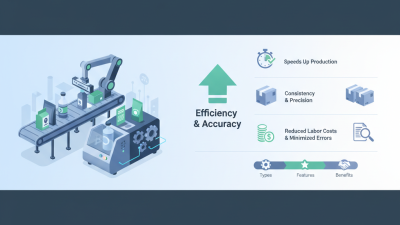
Automation can improve label placement consistency and reduce repetitive handwork. Sensors detect each bottle, while adjustable guides help keep it aligned beneath the applicator. Some machines also print dates or batch codes during labeling. The benefits depend on setup, though. A fast machine may create more waste if labels are poorly calibrated or bottles arrive unevenly spaced. Operators still need training and regular checks.
Selection should start with the actual containers and labels, not the advertised maximum speed. Check bottle dimensions, label material, roll size, changeover time, and how the unit connects to existing conveyors. Ask for a test using your own bottles and labels. Observe placement across several runs, including after a format change. Cleaning access matters, too, especially when spills or product residue are common. One trade-off is easy to overlook: a highly adjustable machine may take longer to set up, and that can matter more than peak speed in short production runs.


30 Beach Street, Mt Vernon, NY 10550
914-239-3878 sale@bbqmachine.com
© 2025 by TurboFil Packaging Machines, LLC